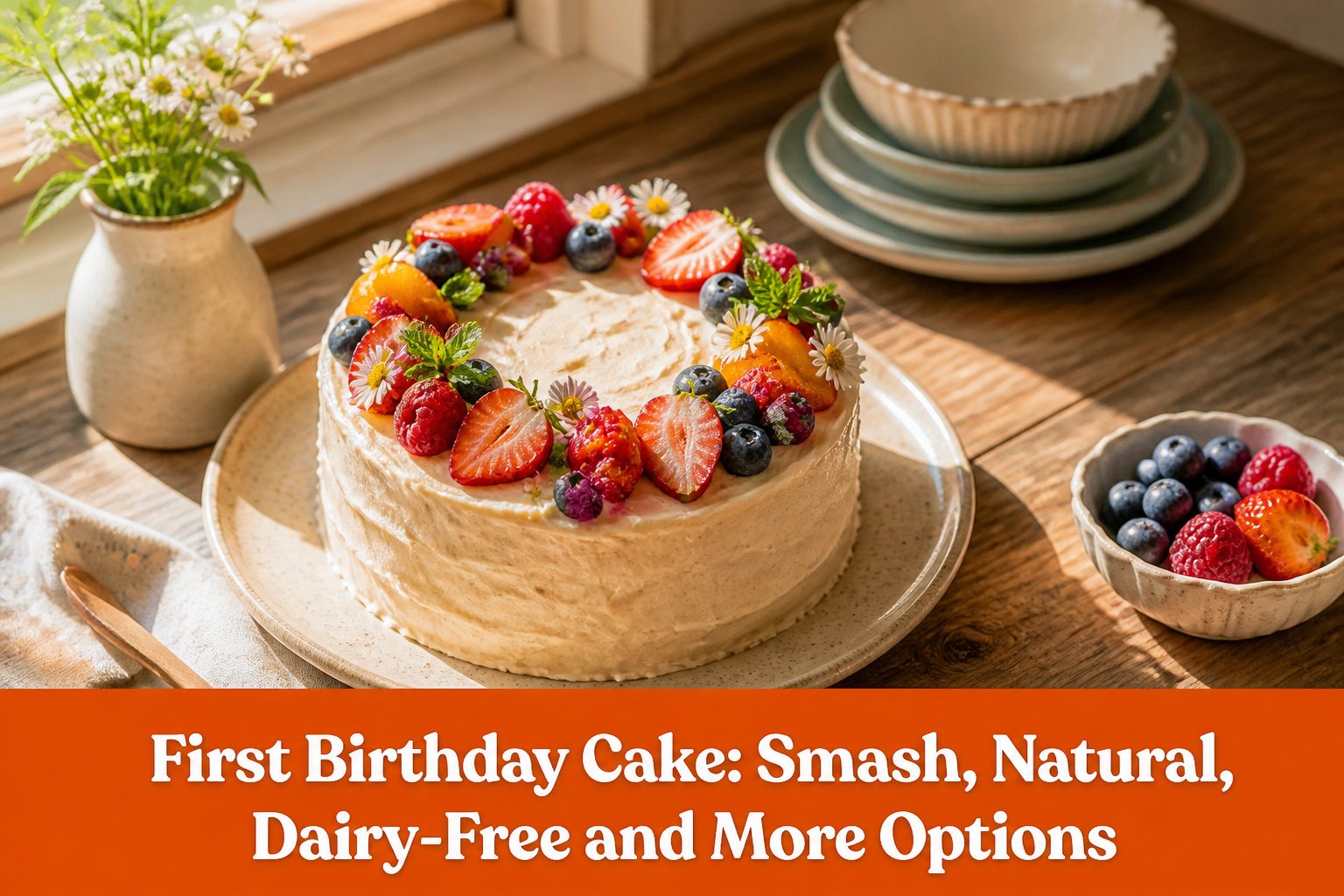
A first birthday cake should taste like something a one-year-old can actually enjoy: gently sweet, soft enough to gum, dense enough to survive small fists.
The version that works depends on what you need to avoid. Dairy-free frosting demands coconut cream that has chilled overnight, and not every brand will whip; Thai Kitchen and Let’s Do Organic separate reliably, but coconut milk never does.
Smash Cake
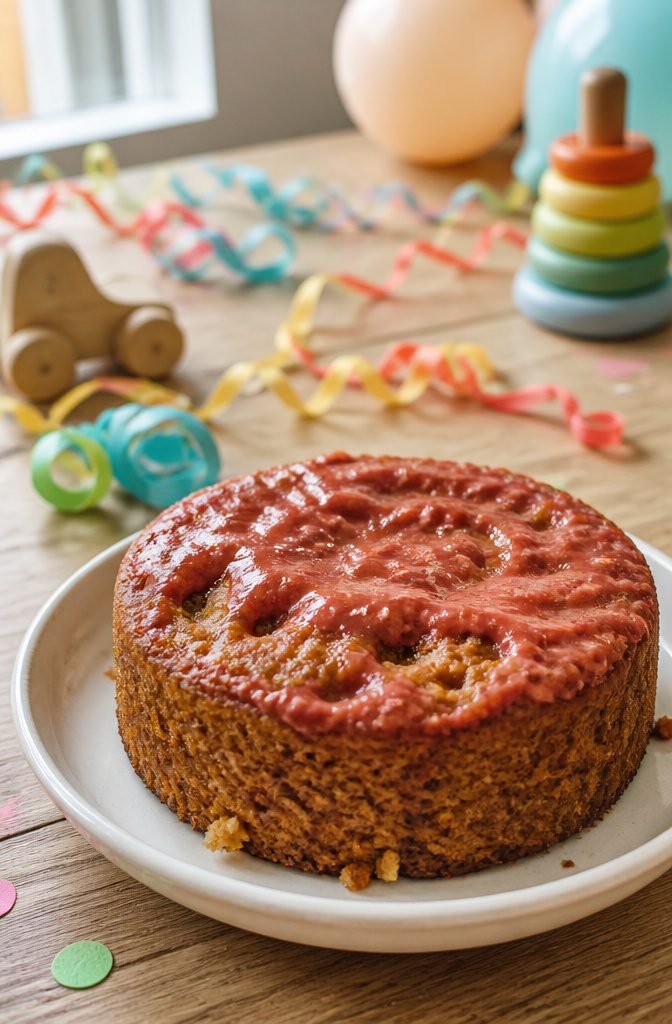
A smash cake is a small, baby-sized cake made for a one-year-old to dig into with their hands, squish, and taste. A smash cake is about the mess and the moment, not a polished dessert.
Most recipes yield 4 to 6 servings and take about 20 minutes to prep, 20 minutes to bake, and roughly 1 hour 20 minutes total once you factor in cooling and assembly.
The texture runs denser than a standard layer cake so it holds together when tiny fists grab at it.
Parents often build these with less added sugar and lean on ingredients like banana, oat flour, or almond flour because a one-year-old does not need a sugar crash at their own party.
Some skip refined sugar entirely and let fruit or a touch of maple syrup carry the sweetness. The cake may not rise dramatically without eggs and butter, but it will still smash just fine.
Naturally Sweetened Cake
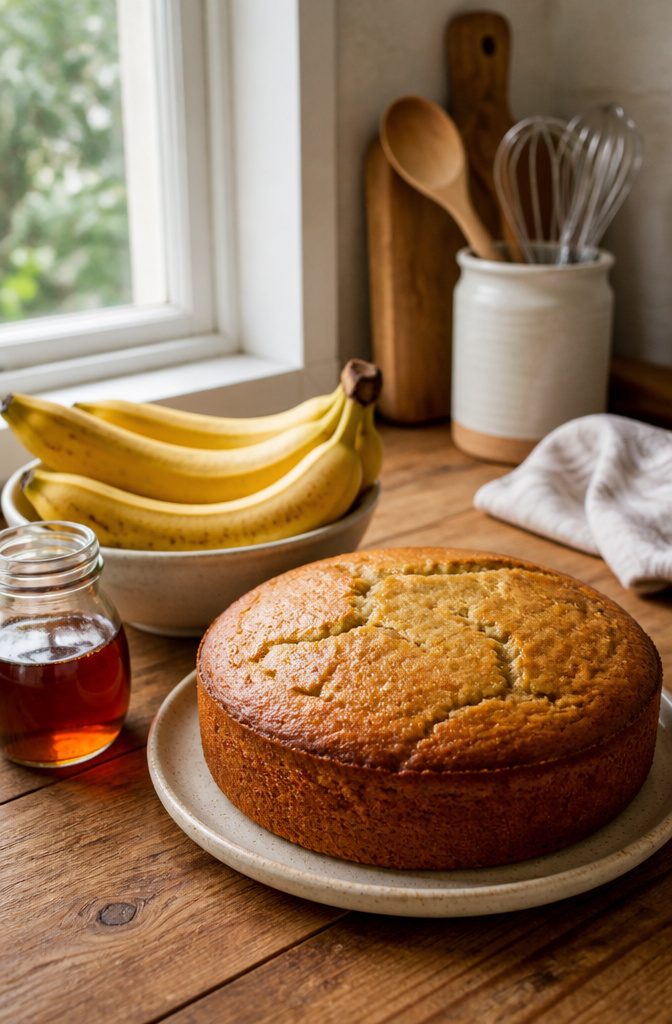
A naturally sweetened first birthday cake trades refined sugar for the sugars already packed into ripe fruit.
1 cup (227g) mashed ripe banana, from about 2 medium bananas, carries enough sweetness that you can skip the granulated kind entirely. Some recipes add a tablespoon of maple syrup as optional backup, but the banana does the heavy lifting.
The texture shifts when you build a cake this way.
Without butter and refined sugar to aerate the crumb, you get something closer to a moist breakfast muffin than a traditional layer cake: denser, lower, and less dramatic on the rise.
Parents choose this route because a one-year-old’s palate does not need the intensity of a standard birthday cake, and the mild sweetness lets the fruit flavor come through cleanly.
You give up something real. These cakes brown faster at the edges and do not hold the tall, sliceable structure of a conventional frosted layer.
For a smash cake that mostly ends up on the floor and in fists, that density works in your favor: it holds together under squeezing and smearing, and the crumbs are soft enough to gum rather than choke.
Dairy-Free Cake
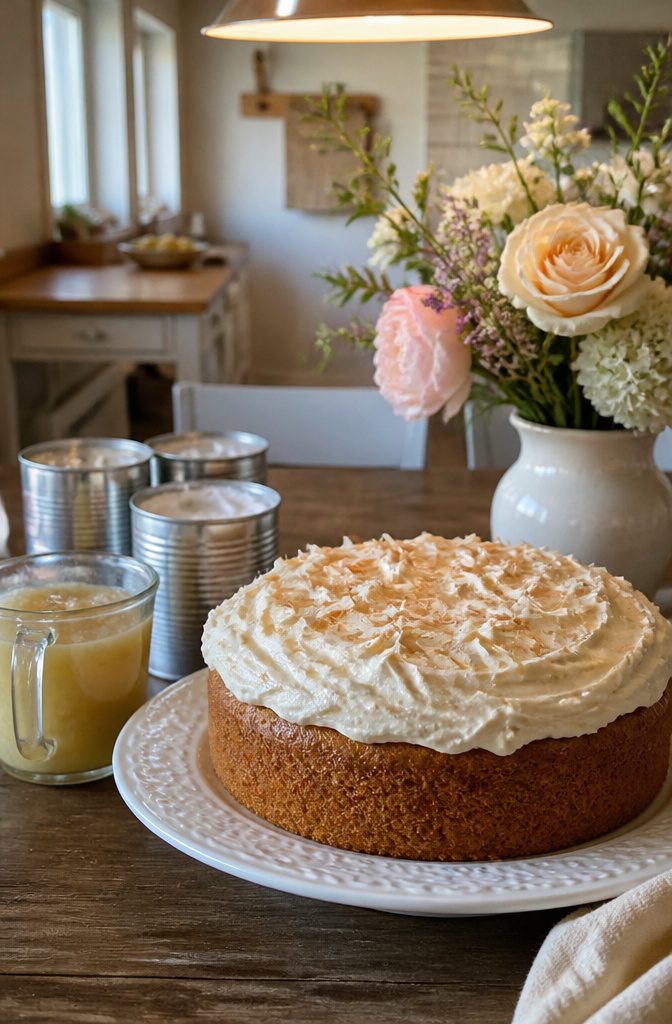
A dairy-free first birthday cake is simpler than most parents expect.
The cake itself is the easy part: swap butter for vegetable oil in any standard recipe, and the crumb stays moist without a hint of compromise. The frosting is where you need to be deliberate.
2 cans of unsweetened coconut cream, chilled overnight, will whip into a frosting that spreads like buttercream and holds its shape well enough for a smash-cake session. Not every brand performs the same way.
Organic, unsweetened canned coconut cream with higher fat content, specifically CoCo Goods, Let’s Do Organic, or Thai Kitchen, is what you want. Coconut milk will not work here; the lower fat content refuses to whip.
Scoop only the solid cream from the top of each can, leaving the liquid behind. Beat it cold with an electric mixer until it turns light and fluffy, about three minutes.
Add a splash of vanilla or a spoonful of maple syrup if you like, but the plain version is already sweet enough for a one-year-old’s palate.
For the cake layers, unsweetened applesauce substitutes cleanly for mashed banana at one cup, though you will need to extend baking time to 20–25 minutes.
The result is a mild, crowd-pleasing cake that adults will eat without knowing it is dairy-free, which matters when you have already made enough separate dishes for the baby.
Gluten-Free Cake
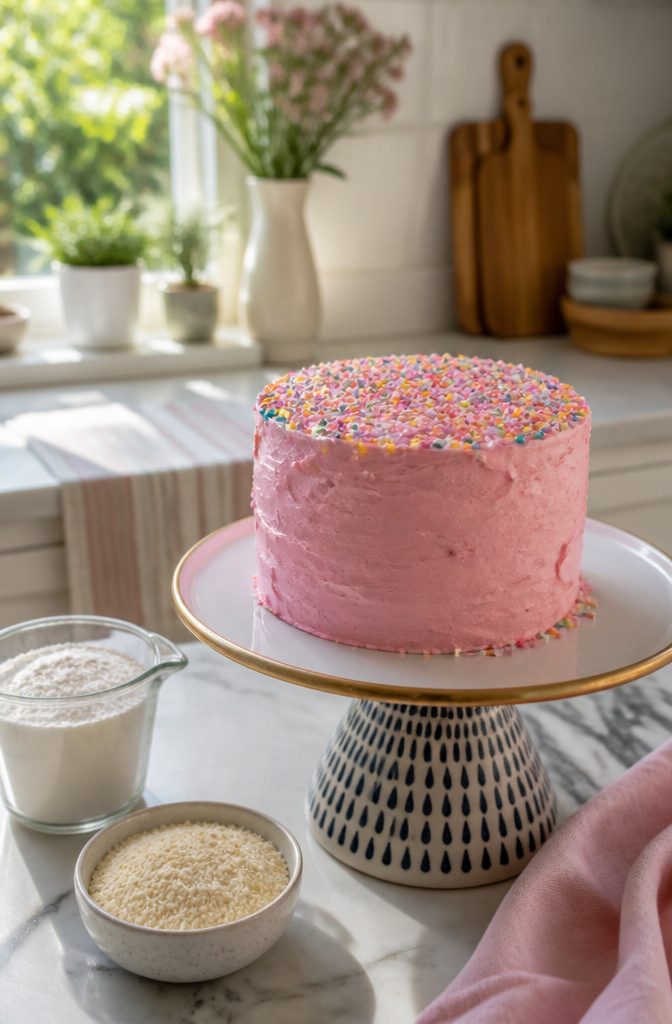
A gluten-free first birthday cake needs to hold together when tiny hands grab and smash, which is where the flour choice matters most.
King Arthur’s gluten-free all-purpose blend is the one I’d reach for first; it is formulated to swap one-for-one with regular flour and behaves predictably in a soft cake that still needs structural integrity for photos.
Cup4Cup works too, though the texture turns denser and slightly gummier, something to account for if you want that airy crumb in the finished shot.
Alternative flours each carry a trade. Almond flour adds moisture but can make a cake fragile, while rice-based blends can read gritty if the mix is not balanced.
The chill of refrigeration or freezing makes any gluten-free cake denser still, so plan to serve at room temperature for the softest bite.
It’s soft enough for them to tear into with their little hands, yet sturdy enough to hold its shape during frosting and assembly.
That balance of tender and tough is exactly what a smash cake demands.
For a first birthday, I would skip single-ingredient flours and go with a tested blend; the margin for error is too slim when the cake has to survive both a photo session and a one-year-old’s enthusiasm.
Fruit-Flavored Cake
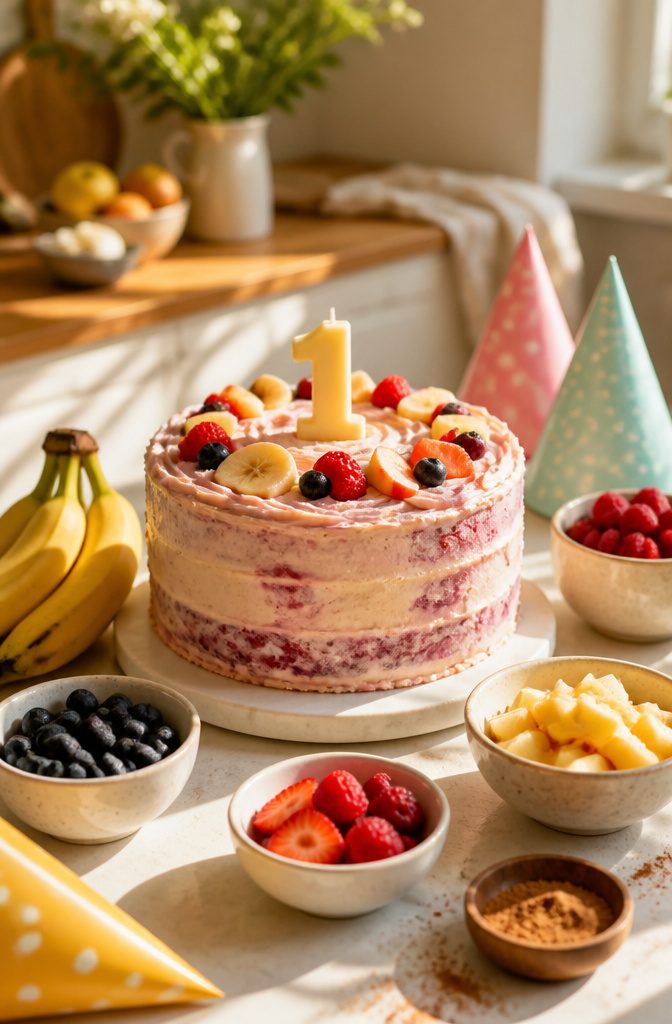
Banana, apple, and berry cakes carry enough sweetness on their own that you can skip added sugar entirely and still end up with a cake a one-year-old actually wants to eat.
The fruit does two jobs: it flavors the crumb and keeps it moist, which matters because a dry cake frustrates a baby who is still learning to chew.
Apple pairs naturally with a little cinnamon; banana works with a hint of vanilla; berries bring tartness that reads as bright rather than sour to a developing palate.
Owners on Reddit mention that their babies gravitated toward these flavors over plain vanilla, and several noted that unsweetened whipped cream or a coconut cream frosting was enough to signal "special occasion" without pushing sugar the child does not need.
What to avoid: citrus can be too acidic for some one-year-olds, and whole berries in the batter can create choking hazards if they do not break down fully during baking.
Mash or puree the fruit, and expect a denser, more muffin-like crumb than a traditional layer cake. Texture suffers, but the whole family can share the same cake instead of baking a separate batch for the baby.
Vegetable-Based Cake
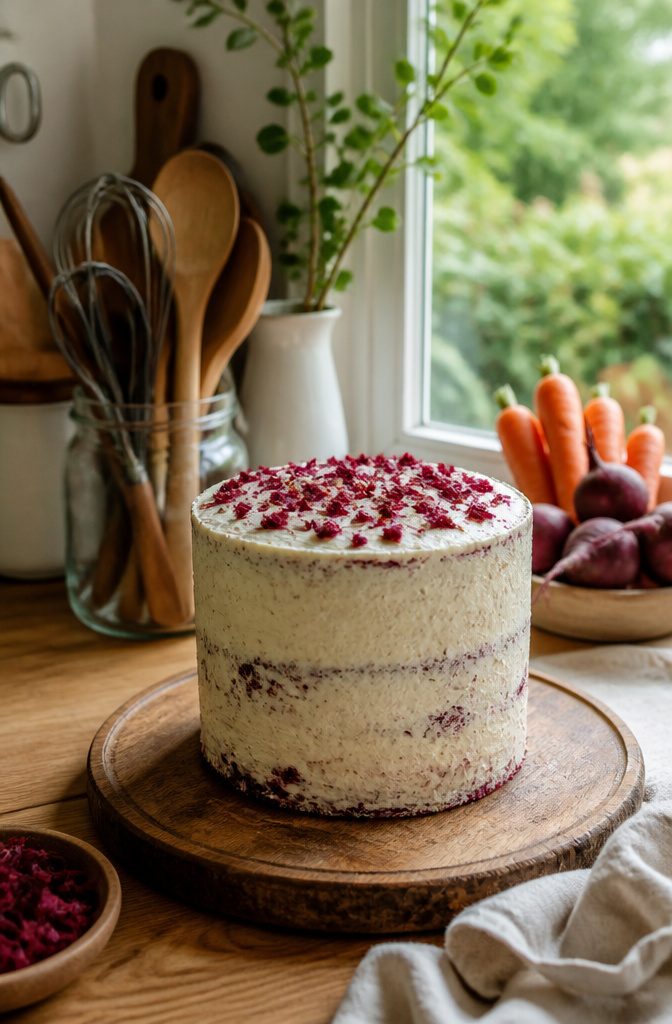
Sweet potato and beet are the vegetables that actually earn their spot in a first birthday cake, and the reason is moisture without the heaviness you might expect.
Raw beet gives you a bright red crumb naturally, no dye required, while sweet potato brings a gentle sweetness that pairs cleanly with a simple cream cheese frosting.
How finely the vegetable is prepped makes or breaks it: roasted and mashed sweet potato, or raw beet grated fine enough to disappear into the batter.
In both cases, the vegetable keeps the crumb dense and damp, closer to a breakfast muffin than a towering layer cake. That is the texture to expect, not a flaw.
These cakes will not rise dramatically, because they rely on fruit and vegetable structure rather than egg lift. For a one-year-old, that denser bite is easier to manage anyway.
I would skip zucchini or carrot here; they work in everyday baking, but for a milestone cake, the natural sweetness of sweet potato or beet means you can cut added sugar entirely and still serve something that registers as treat, not trick.
Cupcake Option
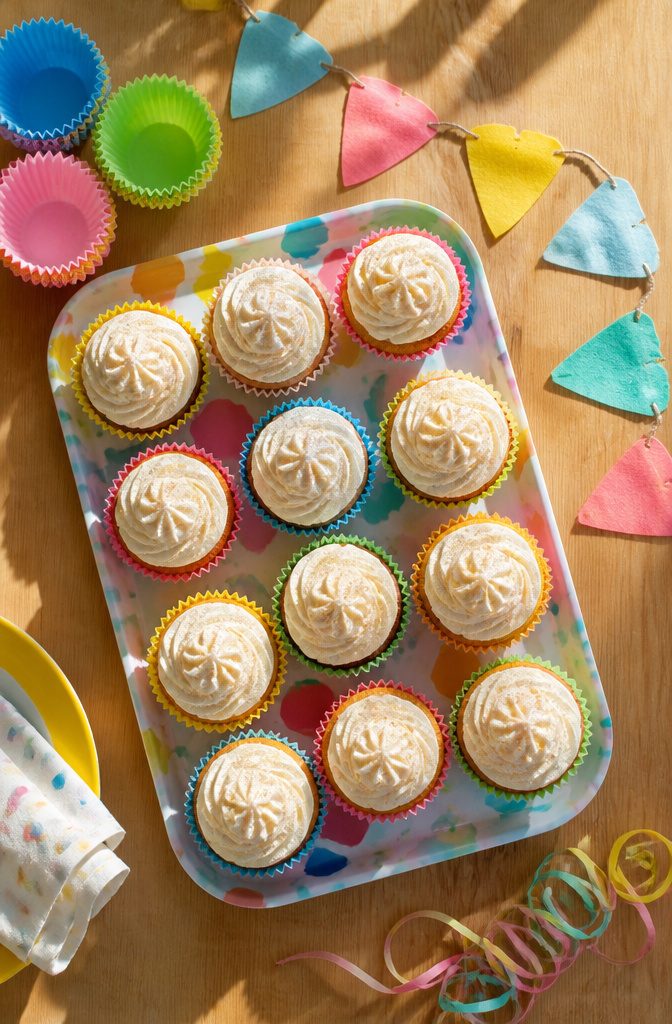
Cupcakes solve the serving problem a full cake creates. Each guest gets an exact portion, no cutting board or knife required, and the host can hand them out while holding a toddler.
A batch of first birthday cupcakes can be refrigerated with the frosting on inside a covered container overnight, which makes the day-of logistics far simpler than waking up to frost six layers.
The same maple-sweetened batter that works for a 6-inch smash cake bakes into cupcakes, so the flavor stays identical across both formats. A cupcake will absolutely function as a smash cake; the baby destroys something roughly fist-sized either way.
The practical difference is cleanup: a smashed cupcake spreads crumbs across a high-chair tray, while a small cake on its own plate keeps the mess somewhat contained.
Only one real limitation applies.
Frosting made with coconut cream needs to stay chilled, so this is not the recipe for a park birthday party in summer heat. For an indoor gathering or a mild day with quick serving, the cupcake route wins on simplicity.
Layer Cake
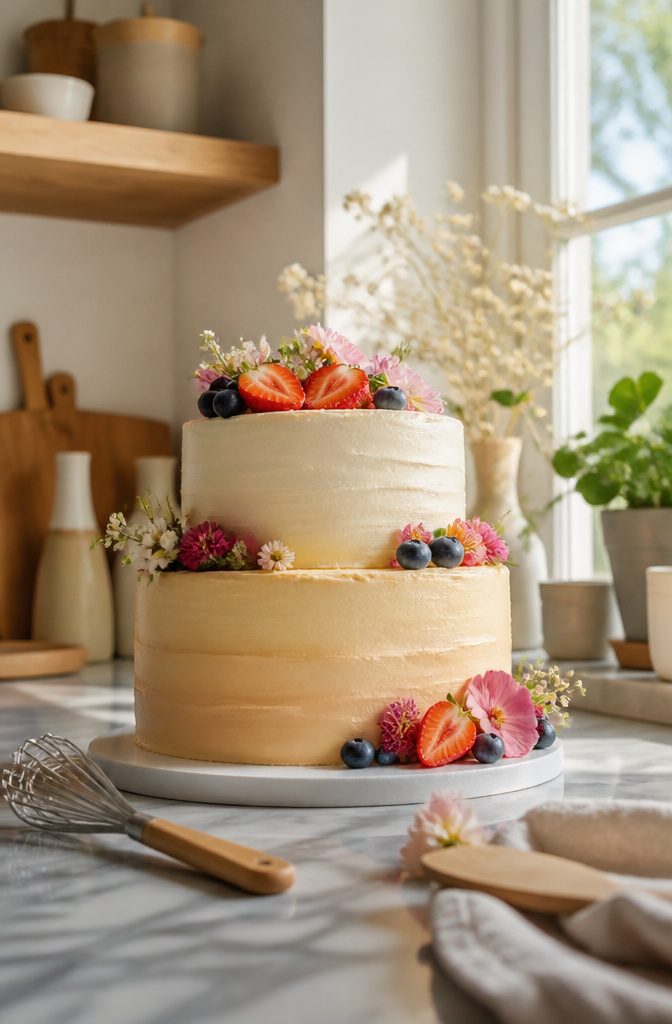
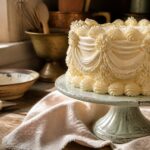
A two-layer or three-layer cake turns a simple first birthday into something that photographs well, and the assembly is straightforward once the layers are cool.
Bake at 350°F for 25–30 minutes if you are working with smaller 5-inch pans; the shorter bake time keeps the crumb moist and reduces the risk of a dry cake that no amount of frosting can fix.
Let the layers cool in their pans for about five minutes, then move them to a wire rack until they are completely at room temperature. Warm cake will slide against the frosting and turn your stack into a leaning mess.
I slice the domed top off each layer with a long serrated knife to create a flat surface; the scraps are mine before the baby ever sees the finished cake.
A thin smear of frosting between layers, spread to the edges, gives you clean horizontal lines when you slice.
For the outside, an ombré effect rings the cake with dark frosting at the base, lighter in the middle, and white on top, blended where the colors meet. It looks professional without requiring piping bags or specialty tips.
Is the extra work worth it for a first birthday? The smash cake gets destroyed in minutes, so a single layer there makes sense.
For the cake the adults share, layers add visual impact that holds up in photos long after the party ends. The complexity pays off for the shared cake, not the one hitting the floor.
Themed Cake
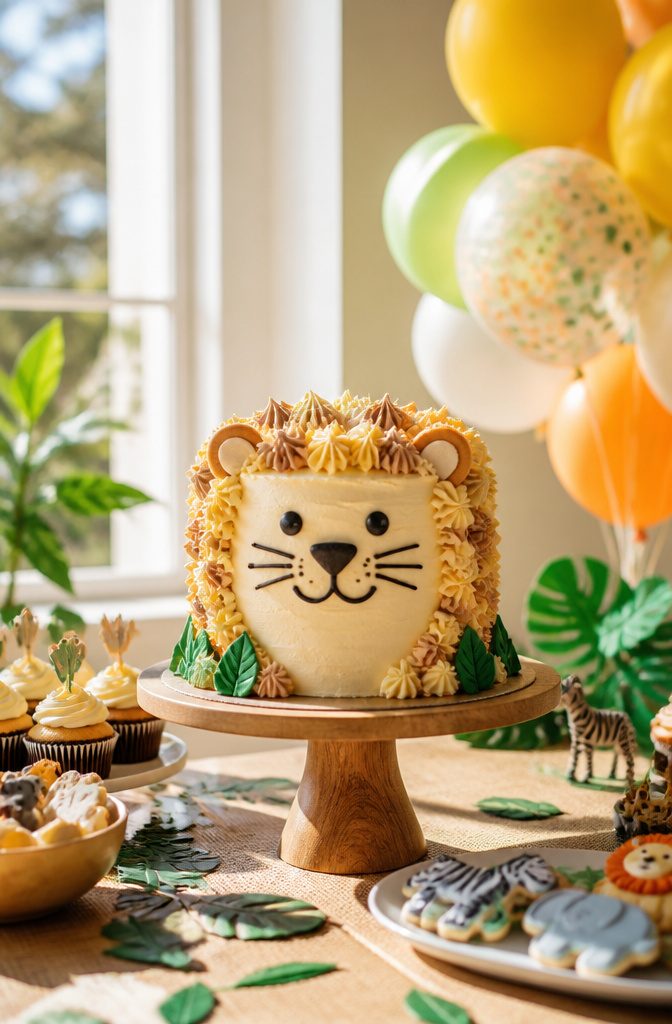
A themed first birthday cake sounds ambitious until you realize the decoration does most of the work.
I have watched a plain round cake become a convincing owl with just two Oreo cookies for eyes, a banana slice for a beak, and feather shapes piped from a zip-top bag with the corner snipped.
The bag is the only tool, and it costs nothing.
Grocery-store food coloring in the gel form sets more vividly than the liquid drops, so one small tube of black or brown goes further for animal faces.
For a "Wild One" jungle theme, I would tint shredded coconut with a drop of green dye and press it around the base for grass; the texture hides imperfect frosting underneath.
Character themes work the same way. A yellow cake with a simple round face and two chocolate-dipped cookies becomes a beloved bear, no fondant or sculpting required.
The photograph reads the theme, not the precision.
Bright color blocks and recognizable shapes register on a phone screen better than fine detail that took hours. I would rather spend 20 minutes on a clean, bold design than two hours piping fur that smudges before candles.
Simple Vanilla Cake
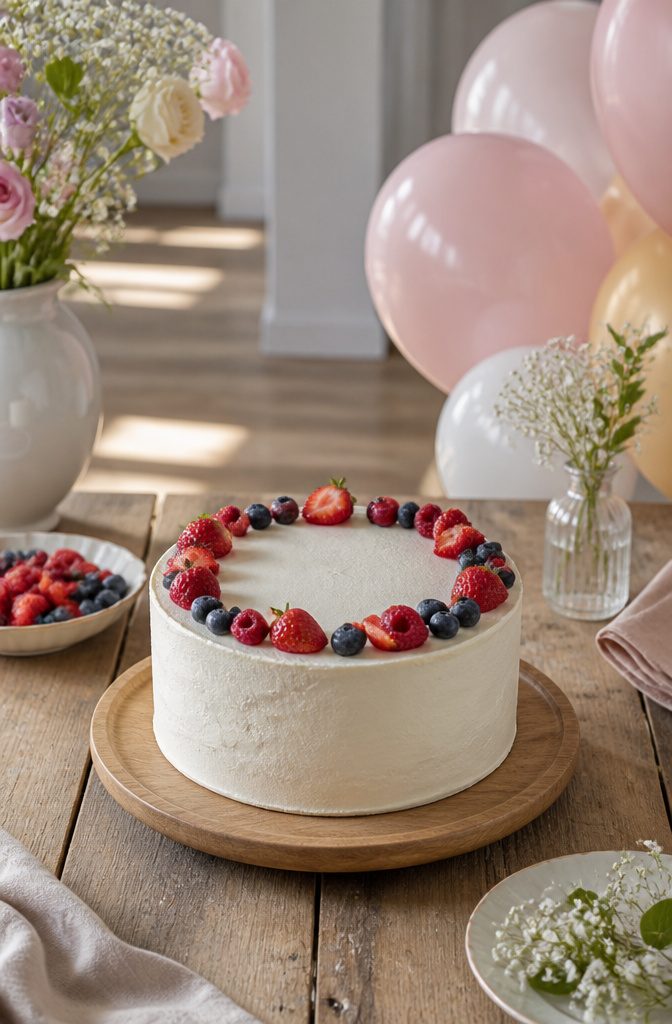
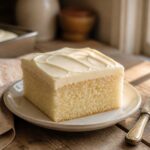
Vanilla is the flavor most parents reach for when a first birthday cake is on the calendar, and the reasons are practical.
The taste is mild enough that a one-year-old won’t flinch, and the batter forgives almost every substitution you might need.
Egg-free, dairy-free, lower sugar, no added sugar at all: each of those adjustments starts from a vanilla base more naturally than from chocolate or fruit.
A 6-inch round is the right size here. It bakes faster, cools faster, and gives you a cake that looks proportional in a high chair photo without leaving you with half a sheet pan to store.
The texture should be tender, almost fragile, because a baby will tear into it with hands that have never held a fork.
That same softness means you can skip the knife at the party and still get a clean slice for the adults.
For decorating, vanilla is the blank canvas everyone promises and few flavors actually deliver. A thin layer of naturally sweetened frosting, a ring of soft fruit, or nothing at all: the cake still reads as celebratory.
I keep the sugar low in the batter itself and let any extra sweetness come from whatever goes on top, since the birthday child is tasting frosting for the first time and the adults are the ones who will finish the leftovers.
Chocolate Cake
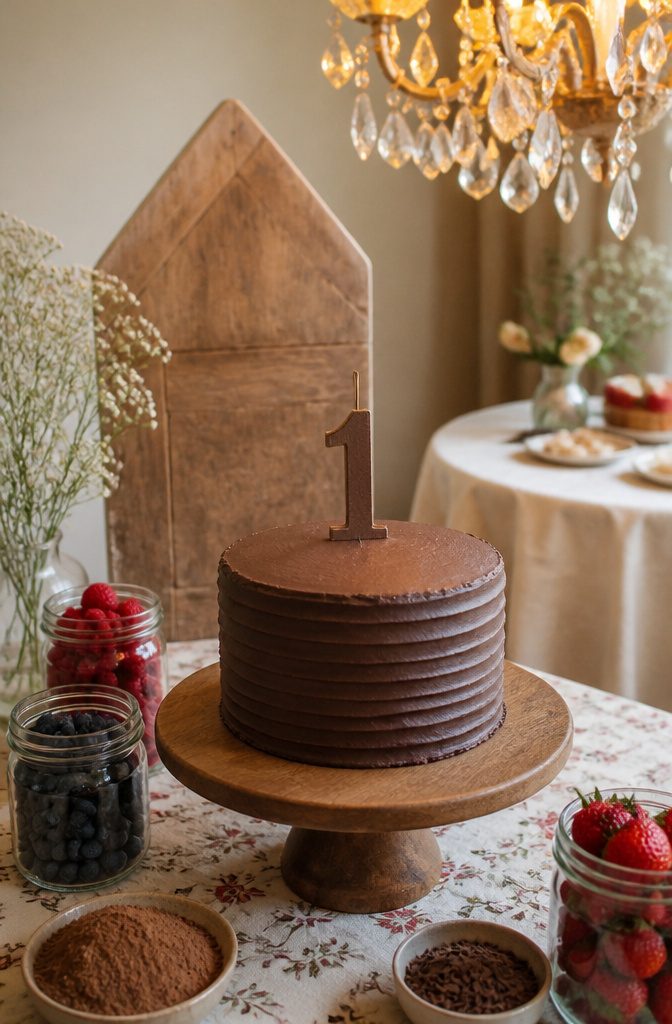
Chocolate is a classic choice for a first birthday cake, and most pediatricians consider a small taste appropriate at twelve months.
The real question is how to make it suitable for a one-year-old’s palate without turning it into something the adults at the table won’t touch.
I reduce the sugar by half and swap in maple syrup or date puree for part of what remains.
The cocoa itself carries bitterness, so I lean into that rather than fighting it: a lighter hand with cocoa powder, around two tablespoons per cup of flour, gives color and a gentle chocolate note without the intensity that makes toddlers grimace.
A mashed ripe banana or unsweetened applesauce folded into the batter adds moisture and natural sweetness that complements rather than masks the cocoa.
The texture matters too. A denser crumb, more like a breakfast muffin than a traditional layer cake, holds up better to small hands and avoids the overly airy structure that crumbles before the smash even begins.
I skip espresso powder and other flavor amplifiers; this is not the cake for blooming cocoa in hot liquid.
Keep the frosting minimal, a thin layer of whipped cream cheese thinned with a little breast milk or formula if dairy is tolerated, or a coconut cream whip if it is not.
Looks take the hit: a paler, flatter cake that photographs more beige than brown. The baby will not care, and the memory of a first birthday is in the moment, not the filter.
Healthy Cake
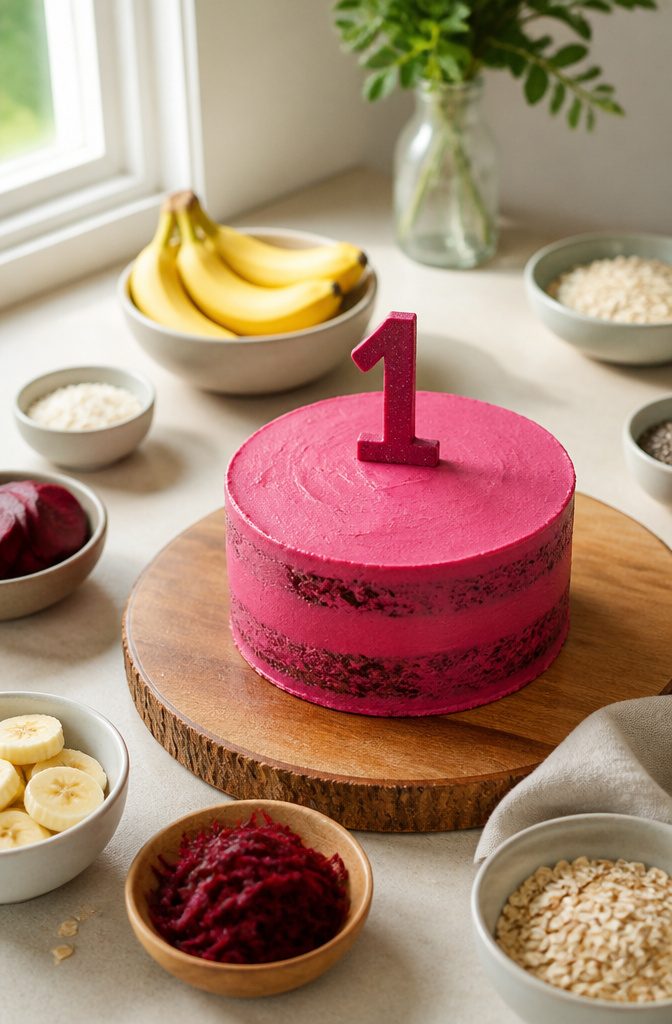
A "healthy" first birthday cake usually means lower added sugar, no refined sugar at all, or the substitution of fruit and vegetable purees for butter and eggs.
The recipes that pull this off best rely on banana, apple, or beet for both moisture and structure, which gives you a denser, more muffin-like crumb rather than a light, fluffy layer cake.
I have found that a beet-based batter baked in 4-inch pans delivers the brightest natural color without any artificial dye, though you should expect a flat top; these recipes do not rise dramatically without eggs.
The sweetness level is the real adjustment. One approach keeps a small amount of coconut sugar; the other omits it entirely and lets the produce do the work.
Either way, the result reads more like breakfast than dessert, which is perfectly appropriate for a one-year-old but may leave adult guests reaching for a second slice of something else.
If you are serving a crowd, I would make the healthy cake for the birthday child and keep a standard backup for everyone else.
That avoids the awkward moment when a well-meaning relative takes a bite and searches for a polite response.
Frosting Options
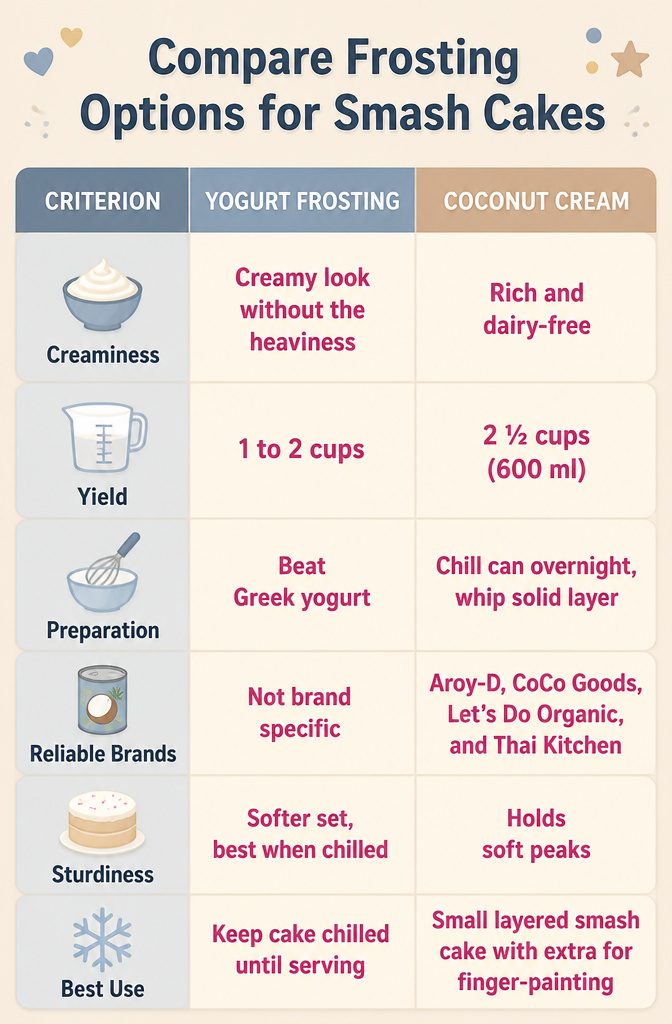
Yogurt frosting gives a smash cake that creamy look parents want without the heaviness of buttercream, though you will need Greek yogurt, not regular, because the thinner stuff slides right off the sides.
Beat 1 to 2 cups depending on how much surface you are covering, and expect a softer set that works best when the cake stays chilled until the moment it goes on the table.
Coconut cream is the option I point to when dairy has to go entirely. Chill a 15-ounce can of full-fat coconut cream overnight, scoop the solid layer off the top, and whip it until it holds soft peaks.
The yield lands at 2 ½ cups (600 ml), enough for a small layered smash cake with a little left for the inevitable finger-painting.
Not every can performs the same way: Aroy-D, CoCo Goods, Let’s Do Organic, and Thai Kitchen are the brands that reliably separate into a thick, scoopable layer.
Cream cheese frosting sits in the middle ground. Soften an 8-ounce block fully, then beat it fluffy with an electric mixer.
It carries dairy but spreads sturdier than yogurt and holds color better if you are blending in freeze-dried raspberry powder for pink or beet juice for a deeper tone.
For any of these, a 20-minute chill in the refrigerator after your crumb coat firms the surface enough that the final layer goes on cleanly. Without that step, a smash cake turns into a smear cake before the photos happen.
Preparation Tips
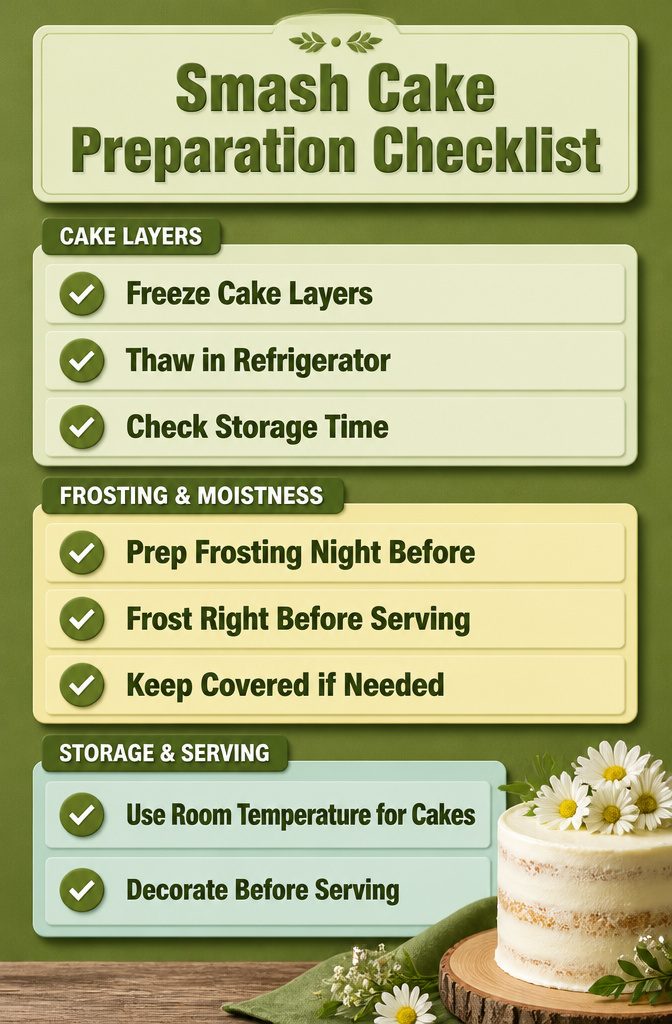
Freezing the cake layers ahead of time is the single best move you can make.
I bake mine up to 10 days out, let them cool completely, then wrap each layer individually in aluminum foil before sliding it into a large zip-top bag or airtight container.
The freezer holds them safely for two months, though three months works in practice. Defrost them in the refrigerator a day or two before you need them; a slow thaw keeps the structure from collapsing into gumminess.
The frosting can wait until the night before. Refrigerate it overnight, then let it come to room temperature before you spread it; cold cream cheese frosting fights the spatula and tears the crumb.
For maximum moistness, frost right before serving. If you must decorate the day before, a loose cover in the refrigerator overnight will do, though the finish looks freshest when done the morning of.
Cakes kept at room temperature stay good for 3 days; refrigerated, they last 1 week.
The chill does cost you something, though. Refrigerated or frozen layers become noticeably denser, and several days in the fridge tastes less fresh than a same-day bake or a properly frozen layer thawed that morning.
I use the counter for overnight storage when I can, wrapped tight in plastic inside a zip-top bag.
Allergy Considerations
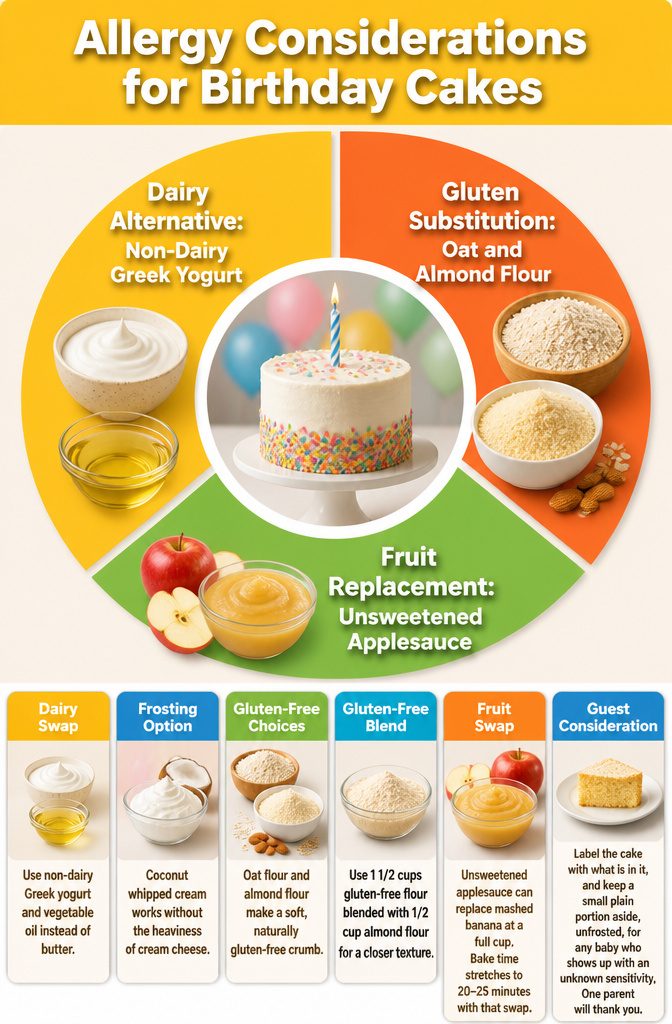
Dairy sits at the top of the list for first birthday concerns, and the fix is straightforward: swap in a non-dairy Greek yogurt alternative and use vegetable oil instead of butter.
For frosting, coconut whipped cream works without the heaviness of cream cheese.
Gluten is the other frequent issue. Oat flour and almond flour make a soft, naturally gluten-free crumb, though you can also use 1 1/2 cups gluten-free flour blended with 1/2 cup almond flour for a closer texture.
If gluten is not a concern, all-purpose flour substitutes directly at 1 1/4 cups with no other changes needed.
Unsweetened applesauce can replace mashed banana at a full cup, which helps if fruit sugars are also being watched. Bake time stretches to 20–25 minutes with that swap.
The real work is talking to your guests.
Label the cake with what is in it, and keep a small plain portion aside, unfrosted, for any baby who shows up with an unknown sensitivity. One parent will thank you.
Frequently Asked Questions
What is a smash cake?
A smash cake is a small, baby-sized cake made for a one-year-old to dig into with their hands, squish, and taste.
Most recipes yield 4 to 6 servings and bake in about 20 minutes. The texture runs denser than a standard layer cake so it holds together when tiny fists grab at it.
Can a baby have a normal cake at 1st birthday?
A one-year-old can have cake, but most parents prefer options with less added sugar.
Many recipes skip refined sugar entirely and let fruit or a touch of maple syrup carry the sweetness. The milder flavor matches a baby’s developing palate better than a standard supermarket cake.
How to store cupcakes for first birthday?
Cupcakes can be refrigerated with the frosting on inside a covered container overnight.
This makes day-of logistics far simpler than waking up to frost multiple layers. A batch of first birthday cupcakes stays ready to hand out while you are holding a toddler.
Can this cake be made dairy-free?
Yes. Swap butter for vegetable oil in the cake, and whip chilled unsweetened coconut cream into a frosting that spreads like buttercream.
Scoop only the solid cream from the top of each can, leaving the liquid behind, then beat cold until light and fluffy.
What’s the best flavor cake for a 1-year-old?
Banana, apple, and berry carry enough sweetness that you can skip added sugar entirely.
The fruit flavors the crumb and keeps it moist. Vanilla also works well because it forgives almost every substitution and reads as mild to a baby’s palate.
What birthday cake can a 1 year old eat?
A one-year-old can eat cakes built on fruit or vegetable purees for moisture and structure, with less or no added sugar.
These produce a denser, more muffin-like crumb that is easier for small hands to manage. Options include banana, apple, sweet potato, or beet-based cakes.
Does Walmart give free 1st birthday cakes?
Check directly with your local Walmart bakery for current first birthday cake offers.
Which cake is best for your 1st birthday?
The best first birthday cake depends on your priorities.
A smash cake prioritizes the messy photo moment. A naturally sweetened cake trades refined sugar for ripe fruit.
A dairy-free or gluten-free version accommodates allergies. For adults sharing the celebration, a two-layer cake photographs better.
Can you give your 1 year old a birthday cake?
Yes, a one-year-old can have birthday cake.
Pediatricians generally consider a small taste appropriate at twelve months. Many parents choose recipes with reduced sugar or fruit-based sweetness rather than a standard bakery cake loaded with refined sugar.