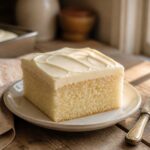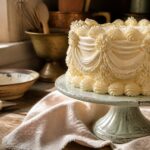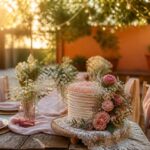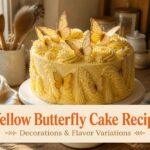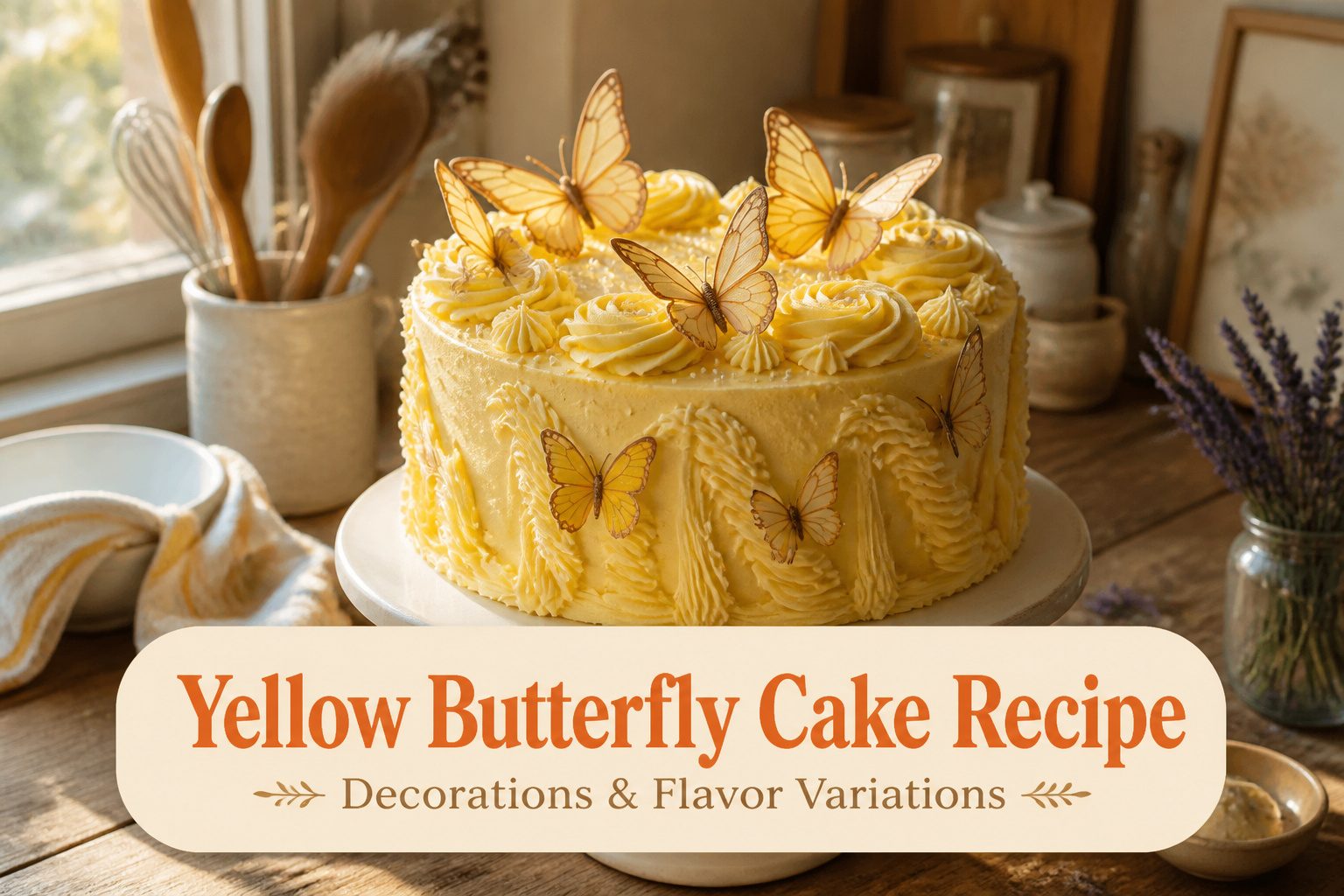
This yellow butterfly cake tastes like classic vanilla with a buttercream finish that firms up just enough to slice cleanly after a half-hour chill.
What sets this version apart is that a specialty pan is unnecessary: two standard 9-inch rounds and a steady hand are enough for a cake that reads as bakery work from across the room.
You have to watch the temperature. Buttercream softens past 75°F, so the finished cake needs refrigeration within two hours of serving, and any wafer-paper butterflies will spot if you try freezing the decorated cake.
Plan to bake the layers ahead and freeze them bare, then thaw overnight and decorate the day you serve.
What a Yellow Butterfly Cake Is and When to Make One
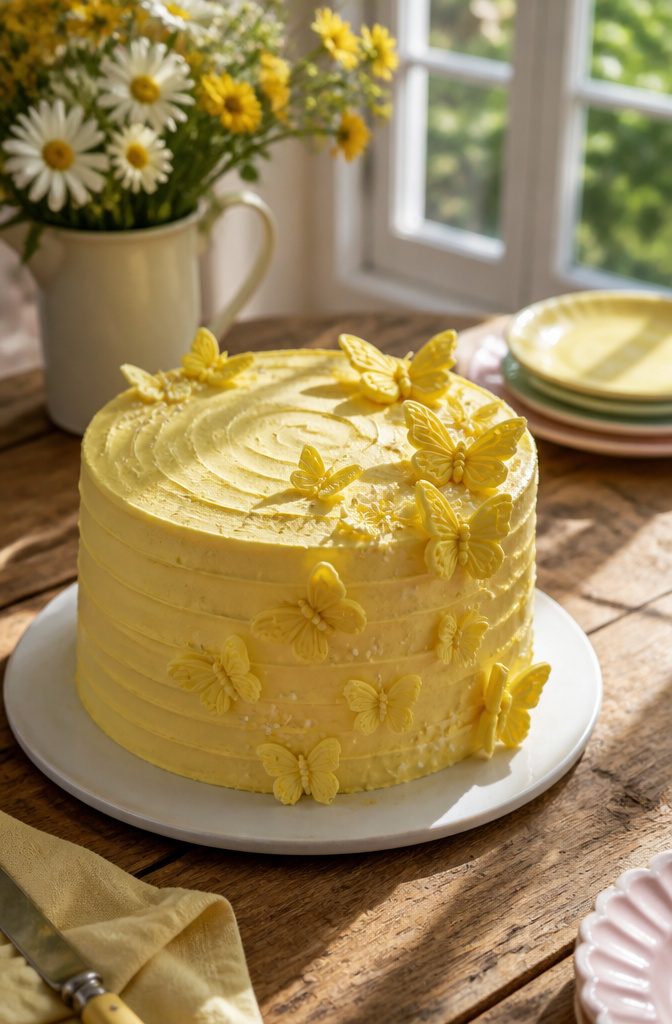
A yellow butterfly cake is a round layer cake frosted in bright yellow buttercream and finished with butterfly motifs, either piped, molded from candy, or pressed from paper.
The shape stays standard, which means a specialty pan is unnecessary: two 9-inch rounds, a rotating stand if you own one, and a steady hand are enough. The finished cake reads as professional bakery work from across the room.
The occasions that call for it are easy to spot. Spring birthdays and baby showers are the obvious fit, since the color and the motif both lean into renewal and warmth.
Nature-themed parties for younger children work too, though I think the cake holds up better at events where adults are eating it as well, because the vanilla base and buttercream finish appeal across ages.
It also travels well to park pavilions and backyard tables, which matters more than people plan for.
What distinguishes this cake from other themed desserts is the gap between its appearance and its demands. The grocery list runs to standard flour, sugar, butter, eggs, and a bottle of yellow food coloring.
The butterflies themselves can be made ahead from candy melts in a plastic mold, or cut from wafer paper with a cookie cutter, or simply piped directly onto the cake in royal icing.
Each option has its trade-off in time versus durability, but none requires equipment you would not already own.
Ingredients
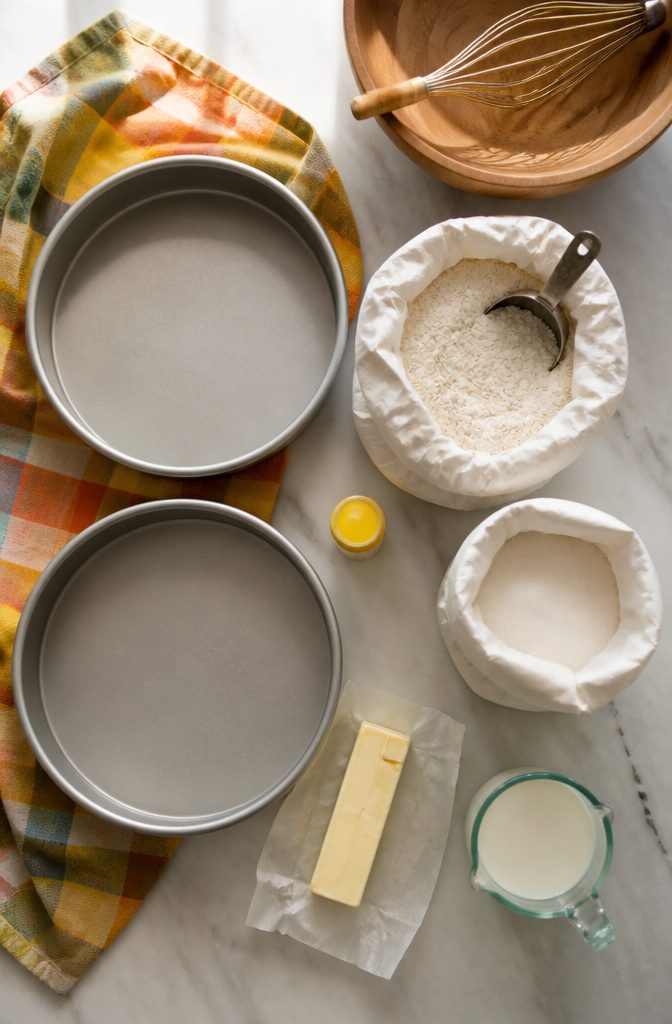
A yellow butterfly cake is forgiving, but it pays to lay everything out before you start. Two 9-inch round pans are non-negotiable for the layered shape.
Cake
- 2 boxes yellow cake mix, plus the eggs, oil, and water called for on the box
- Or, if you prefer homemade: flour, sugar, butter, eggs, milk, vanilla extract, baking powder, and salt
Frosting
- Unsalted butter
- Powdered sugar
- Vanilla extract
- Milk
- Yellow food coloring
Decorations
- Edible sugar butterflies, or fondant butterflies if you want to shape your own
- Piping bag fitted with a small round tip
- Optional: edible beads or small edible flowers
I keep the frosting butter unsalted so I can control the sweetness myself. The yellow tint should be subtle, not neon, so I add the coloring drop by drop.
Method
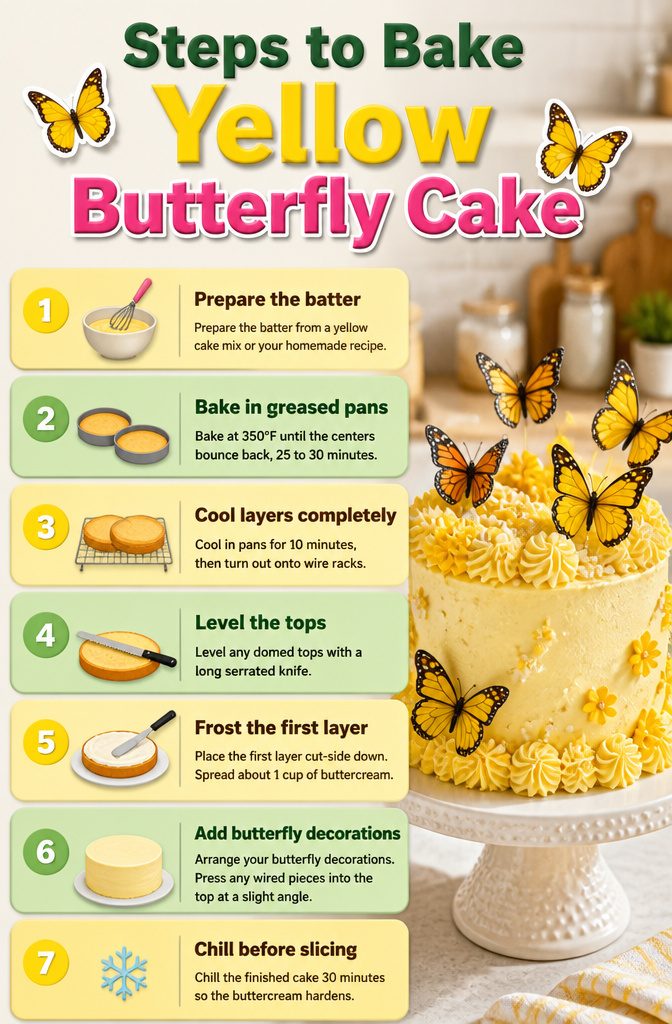
- Prepare the batter from a yellow cake mix or your homemade recipe. I get the best rise when the butter and eggs have sat out for about 30 minutes; cold dairy deflates the air you just whipped in.
- Divide between two greased 9-inch round pans and bake at 350°F until the centers bounce back and a toothpick comes out with only a few moist crumbs, 25 to 30 minutes. Start checking at 22; overbaked yellow cake turns dry before it looks done.
- Cool the layers in their pans for 10 minutes, then turn out onto wire racks. They must cool completely before frosting. A warm cake melts buttercream into a greasy puddle.
- Level any domed tops with a long serrated knife. I set the blade flat against the counter and saw gently across; piling frosting onto a dome makes the whole stack slide.
- Place the first layer cut-side down on your plate or stand. Spread about 1 cup of buttercream with an offset spatula, pushing it to the edges.
- Stack the second layer cut-side down. Apply a thin crumb coat to seal in the loose yellow crumbs, chill 15 minutes, then finish with the final coat of frosting.
- Arrange your butterfly decorations. Press any wired pieces into the top at a slight angle so they face the person cutting the cake.
- Chill the finished cake 30 minutes so the buttercream hardens enough to slice cleanly. Room-temperature buttercream smudges under the knife.
Butterfly Decorations
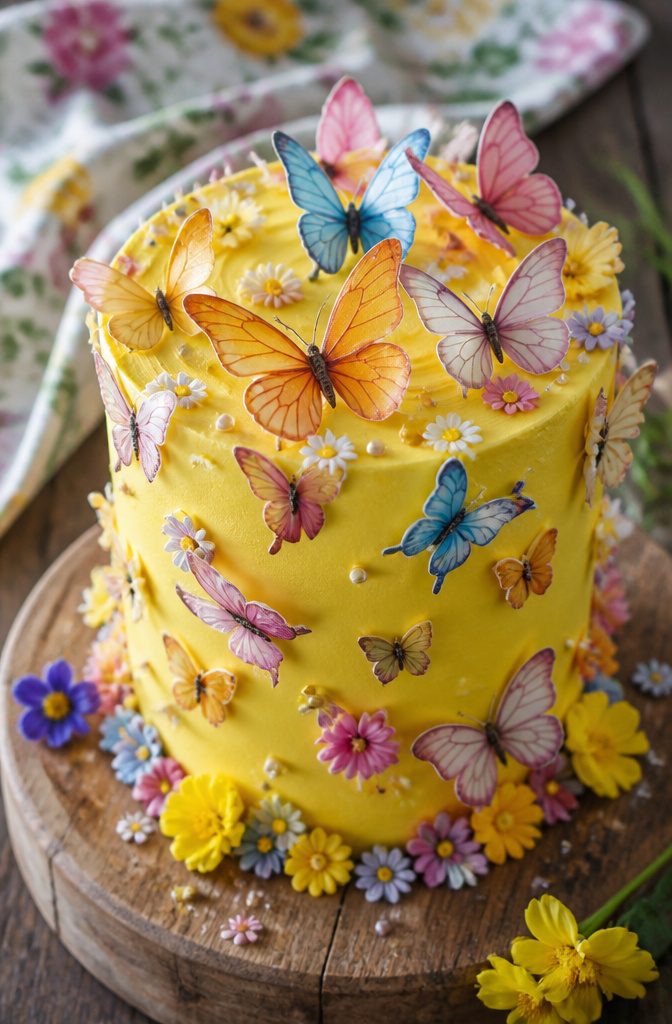
Edible sugar butterflies give you the widest color selection and arrive ready to place, which makes them the safest bet if you want the decoration done without risk.
I order mine online or pick them up at craft stores with baking aisles; the consistency beats what I can usually pull off freehand on a Tuesday night.
Fondant butterflies dry hard and hold their shape once made ahead, and you can tint them to match whatever palette you have in mind.
Piped buttercream butterflies work with a small round tip and no special equipment beyond what you already own for frosting, though the freehand shape takes practice and a steady hand.
Place larger butterflies at angles across the cake top and let smaller ones cascade down the sides. Against yellow frosting, the contrast matters more than the exact shade you choose; bright colors read stronger than pastels or white.
That color pop is what turns a plain layer cake into something that photographs well and reads clearly from across the room.
Flavor Variations
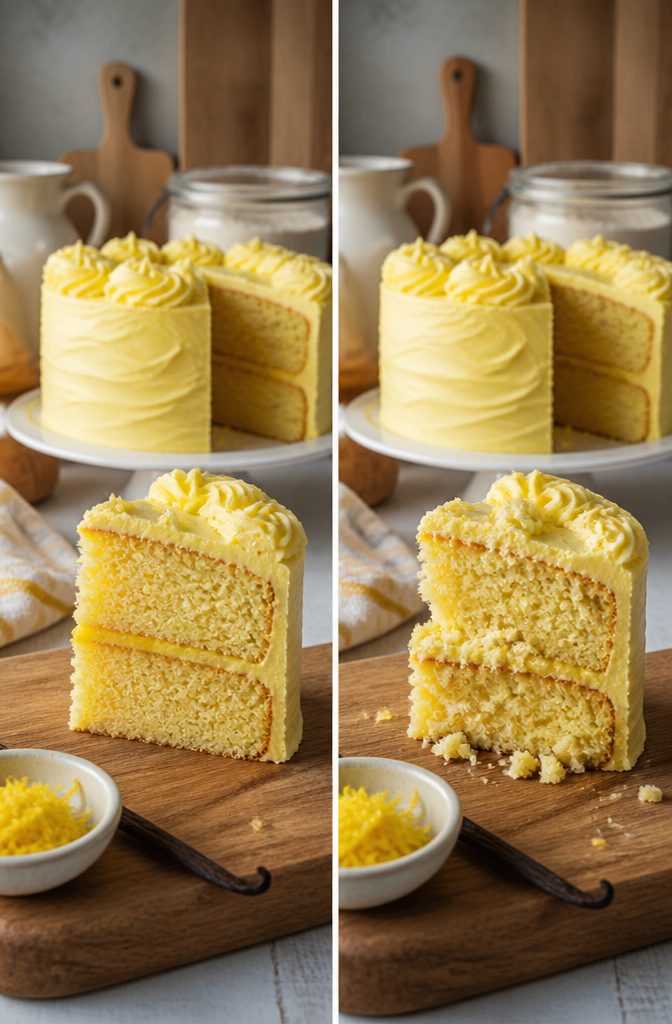
A yellow cake base carries other flavors without losing its structure, which matters when the butterfly shape is what you came for. For lemon, replace the water with lemon juice and fold 2 tablespoons of zest into the batter.
The acidity tightens the crumb slightly, so I add a thin layer of lemon curd between the layers to keep it moist. The decoration scheme stays the same regardless of flavor, since the butterfly relies on color placement, not taste.
Vanilla bean gives you something to look at: scrape the seeds from half a pod into both batter and frosting, and the speckled look reads as homemade without extra work.
Almond extract is more assertive, so I substitute just 1 teaspoon for the vanilla and leave the rest of the recipe untouched.
For marble, reserve 1 cup of the yellow batter, stir in cocoa, and swirl it through the base before baking. The chocolate reads as wing patterning once you cut in, which some hosts prefer to piping.
Serving and Storage
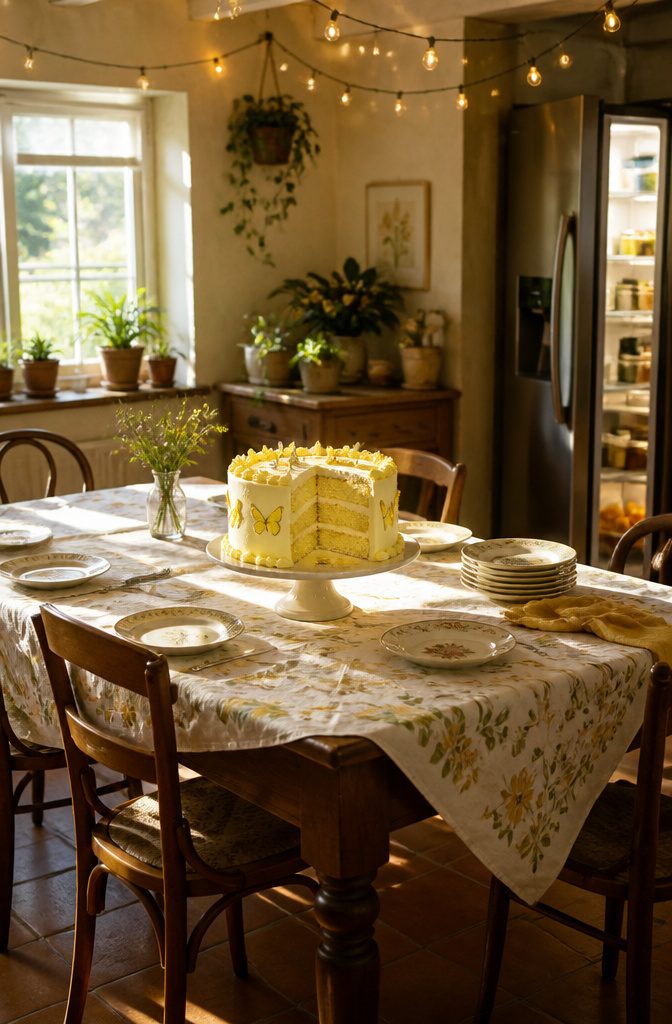
A yellow butterfly cake yields 12 to 16 slices, depending on how generously you cut. I aim for 12 when I am feeding adults after a full dinner, 16 when the cake sits among other desserts at a party table.
The buttercream frosting softens quickly once the room climbs past 75°F, so I move the cake to the refrigerator within two hours of serving.
Covered loosely, it keeps well for four days. The cold firms the crumb and the frosting both, which means the texture improves noticeably if you let a slice sit out for twenty minutes before eating.
The cake regains its proper give, and the vanilla flavor comes through more clearly than it does straight from the chill.
Freezing is where I draw a hard line. The moisture that collects as a decorated cake thaws will spot the wafer-paper butterflies and wilt any piped buttercream details.
If you need to work ahead, wrap the unfrosted layers tightly in plastic and foil, then freeze those. Thaw them overnight in the refrigerator still wrapped, then decorate the day you plan to serve.
Frequently Asked Questions
What is a butterfly cake?
A butterfly cake is a round layer cake decorated with butterfly motifs, which can be made from edible sugar, fondant, or piped icing.
The design stays flat and standard, so a specialty shaped pan is unnecessary. It works for any celebration where you want a cake that reads as professional from across the room.
How do you decorate a butterfly cake?
Press edible sugar or fondant butterflies onto the frosted surface at slight angles so they face forward, and let smaller ones cascade down the sides.
Bright colors read strongest against yellow buttercream. You can also pipe butterflies freehand with a small round tip, though that takes more practice.
What occasions are suitable for a yellow butterfly cake?
Spring birthdays and baby showers fit best because the yellow color and butterfly motif both signal renewal and warmth.
Nature-themed children’s parties work too, and the vanilla base appeals to adults as well as kids. The cake also travels well to outdoor pavilions and backyard tables.
What is special about yellow cake?
Yellow cake carries other flavors without losing its structure, which matters when the butterfly decoration is the main reason you chose this design.
The vanilla base and buttercream finish also appeal across ages, from young children to adults at a shower or birthday table.