A Victorian wedding cake was never meant to be eaten whole.
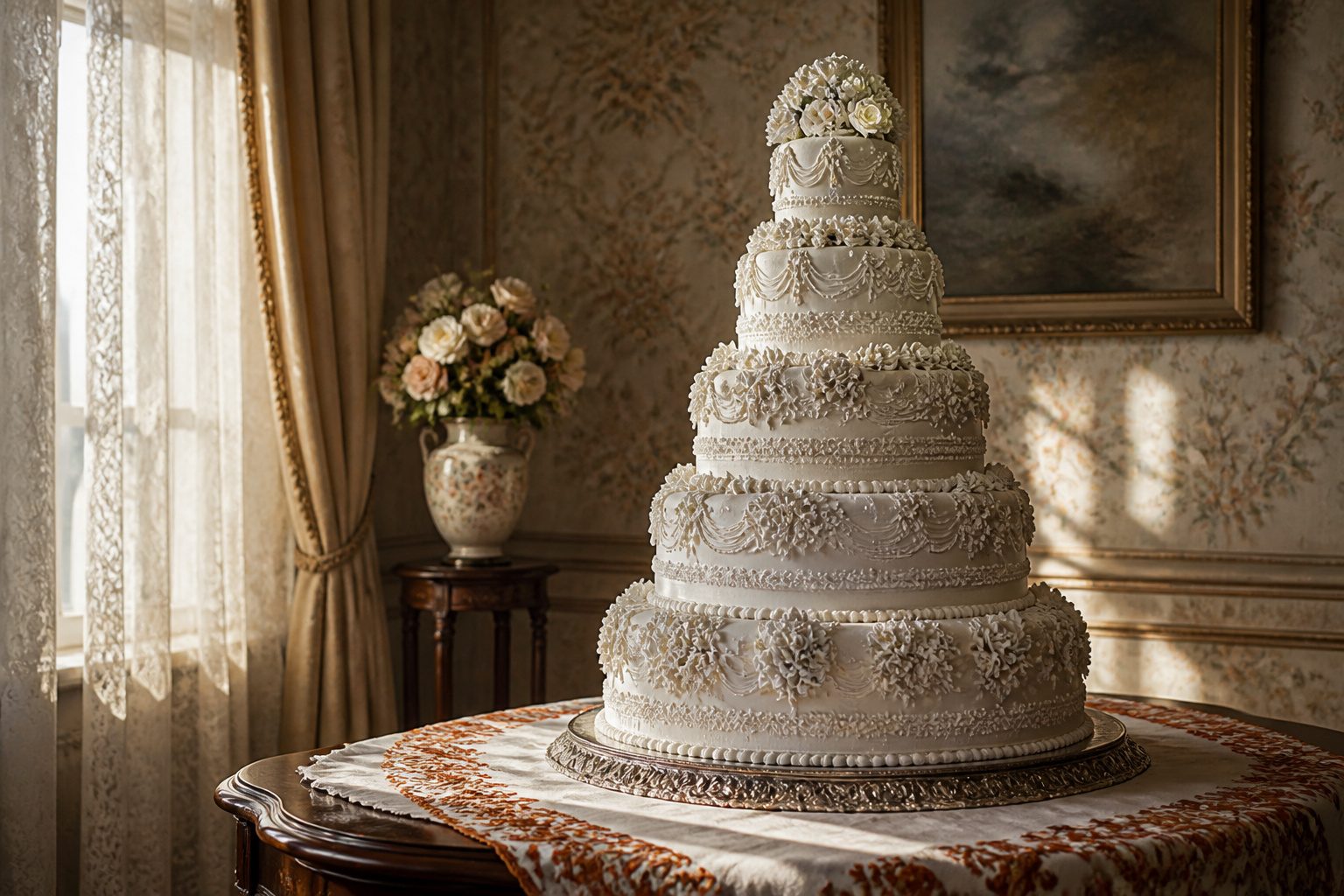
The rock-hard white icing served as edible architecture, drying to a shell that proved a family could afford refined sugar most households never saw. Queen Victoria’s 1840 cake to Prince Albert weighed 300 pounds and established that template overnight.
How Wedding Cakes Became a Victorian Institution
Before the Victorians, a wedding feast might end with Bride’s Pye, a savory dish that had little in common with the towering confections we picture today.
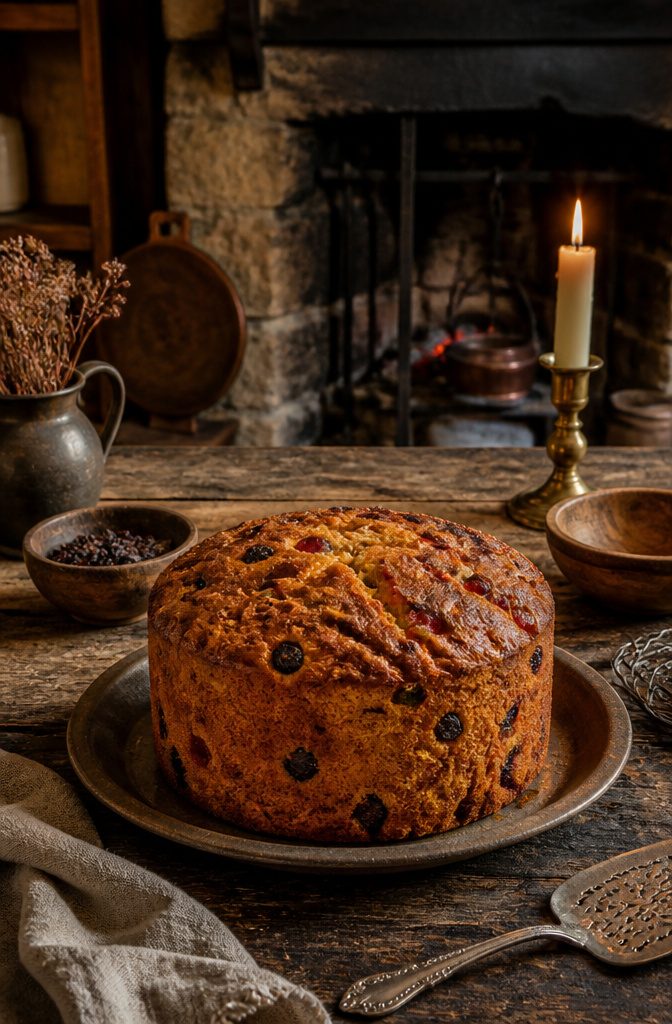
By the early 1800s, that tradition had shifted to something called Bride’s Cake: a single-tier sweet bread dense with dried fruits, baked on the hearth and sliced for guests as a symbol of fertility and prosperity.
I find the name change telling. The cake still belonged to the bride, but it was becoming a dessert in its own right, not just a course at a meal.
Technology pushed the transformation. Home ovens, refined sugar, and refined flour reached middle-class kitchens in the 17th and 18th centuries, and bakers began replacing yeast with eggs for a moister crumb.
Later, baking soda and baking powder arrived, and the heavy fruit cake lightened into airy sponge. The name shifted too, from Bride’s Cake to plum cake, and eventually to the straightforward "wedding cake."
By early Victorian times, some celebrations featured three separate cakes: one elaborate centerpiece, plus smaller cakes for bride and groom.
The dessert had become central to the ritual itself, not merely a reflection of the bride’s personality or a family’s budget. What started as bread on a hearth had become the architectural showpiece of the reception.
Queen Victoria’s 300-Pound Cake
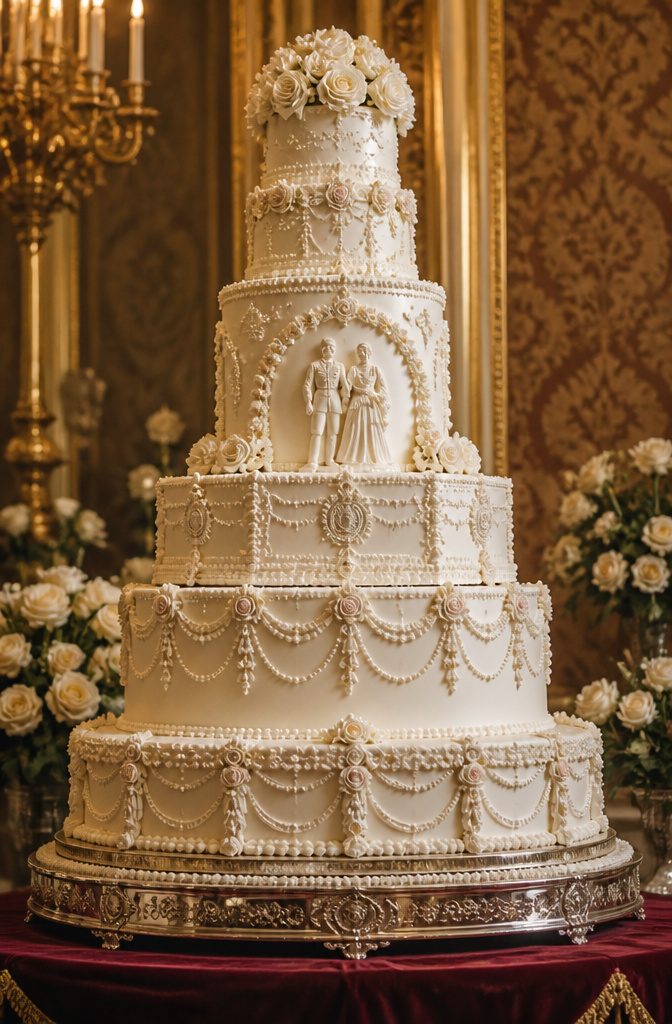
Queen Victoria’s 1840 wedding cake to Prince Albert weighed 300 pounds, stood 14 inches tall, and measured 10 feet in circumference. Before this, wedding cakes were typically plum cakes with simple sugar icing made from egg whites, sugar, and lemon.
The queen’s cake changed that overnight: an extravagantly iced white cake, multi-tiered, topped with sugar sculptures, and served at breakfast the morning after the ceremony.
The white icing mattered most. It signaled wealth, since refined white sugar cost far more than the brown or unrefined alternatives most households used.
Elaborate decoration became the new standard too, with sugar sculptures turning the cake into a display piece rather than just dessert. This single cake established the template we still recognize: tiered, white, ornate, and central to the celebration.
A slice from that 1840 cake sold at auction in 2016 for £1,500, roughly $1,700 at the time. By then, the design Victoria popularized had already shaped wedding fashion for nearly two centuries.
Why Victorian Cakes Were Almost Always Fruitcake
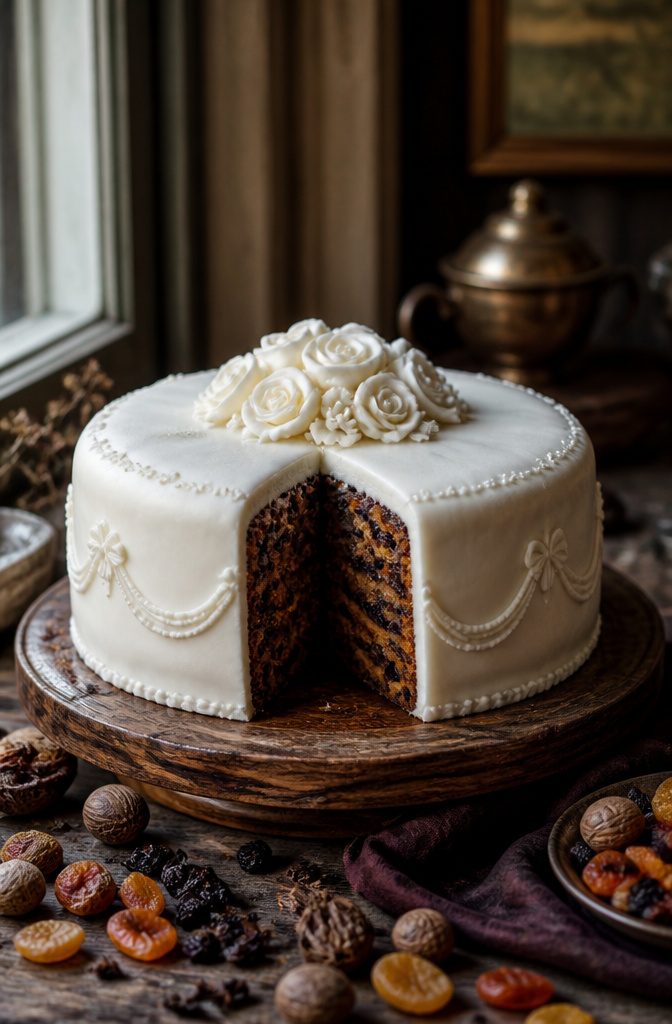
A Victorian wedding cake started with dried fruits and warm spices, the same combination that keeps fruitcake moist for months.
Candied peel and currants went into the batter, with citrus and spice playing backup roles strong enough to notice but not so loud the cake read as Christmas.
Refined white sugar was the real luxury. Pure white sugar cost enough that most households never saw it, so the brightness of the icing announced both purity and wealth in a single glance.
Dark fruitcake beneath white frosting became the standard look precisely because the contrast made that expense impossible to miss.
Queen Victoria’s own preference for ornate white frosting settled the matter. After her example, a Victorian bride’s family was expected to produce a cake whose snowy surface proved they could afford sugar refined until it carried no trace of brown.
The icing itself was not meant to be eaten; it dried rock-hard and served as edible architecture, a display piece that happened to be made from the same expensive ingredient.
Sugar Sculptures and White Icing Techniques
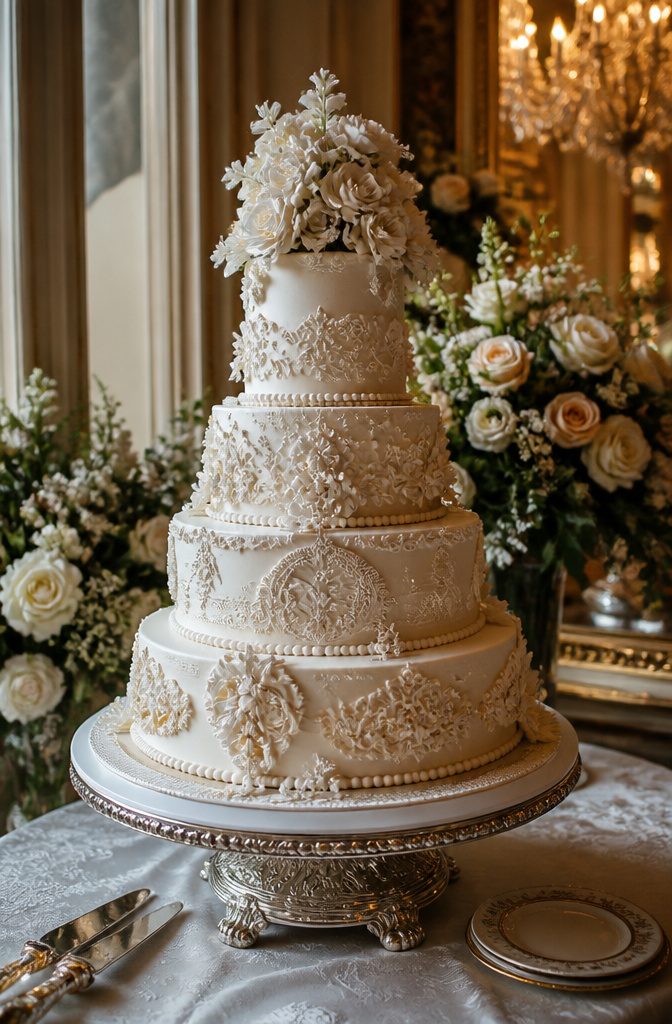
The white icing that covered Queen Victoria’s 1840 cake was more than a color choice; it was a display of wealth. Pure white sugar demanded repeated refining, and coating a multi-tiered cake in it signaled that cost was no object.
Her cake stood over a foot tall and carried sugar sculptures of the royal couple in costume, Britannia, and one of her dogs, a 14-inch confection that started the fashion for white matrimonial cakes outright.
Intricate piping and molded sugarwork defined the Victorian visual language. These were architectural cakes, built to impress from a distance and reward closer inspection with detail most guests would never taste.
The Lambeth Method, which became popular in the 1930s, carried this tradition forward with its dense overpiping and scrollwork covering every surface. I see the appeal in that revival; the technique demands the same patience and produces the same gravity.
For modern bakers, the lesson is practical.
Victorian-style decoration does not require sculpting royalty. A single well-placed sugar figure or a band of careful piping at the base of each tier gives the impression without the labor of full coverage.
The Lambeth revival works the same way: a few panels of overpiping read as period-appropriate without coating the entire cake.
What the Cakes Actually Meant
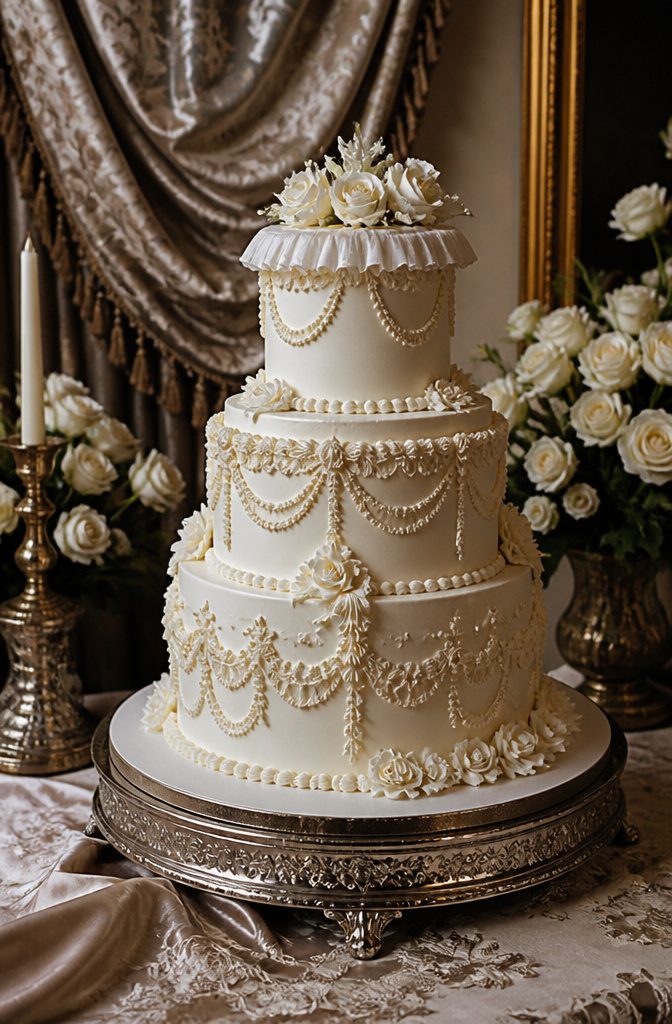
White icing on a Victorian wedding cake carried two messages at once, and the bride’s family paid dearly to send both.
The pure white sugar was a display of affluence because refined sugar cost far more than the brown, less-processed kind most households used. The whiter the icing, the more money the family had spent to impress their guests.
After Queen Victoria’s wedding, that same white gradually became tied to the bride’s own purity, a meaning that stuck even though Victoria herself had hardly followed every conservative tradition of her era.
The cake was originally called the bride’s cake, and bakers shaped it to reflect her personality and values, but the real social work happened in the display.
A family of modest means kept their budget in mind, yet the cake still had to signal position. Refined sugar meant a refined bride; the ingredients announced status before a guest took a single bite.
The icing itself was largely for show.
It dried rock-hard, so the eating happened around it, not through it. The practical function mattered less than the statement: this family could afford to build something beautiful and leave it untouched.
How Victorian Styles Survive in Modern Cakes
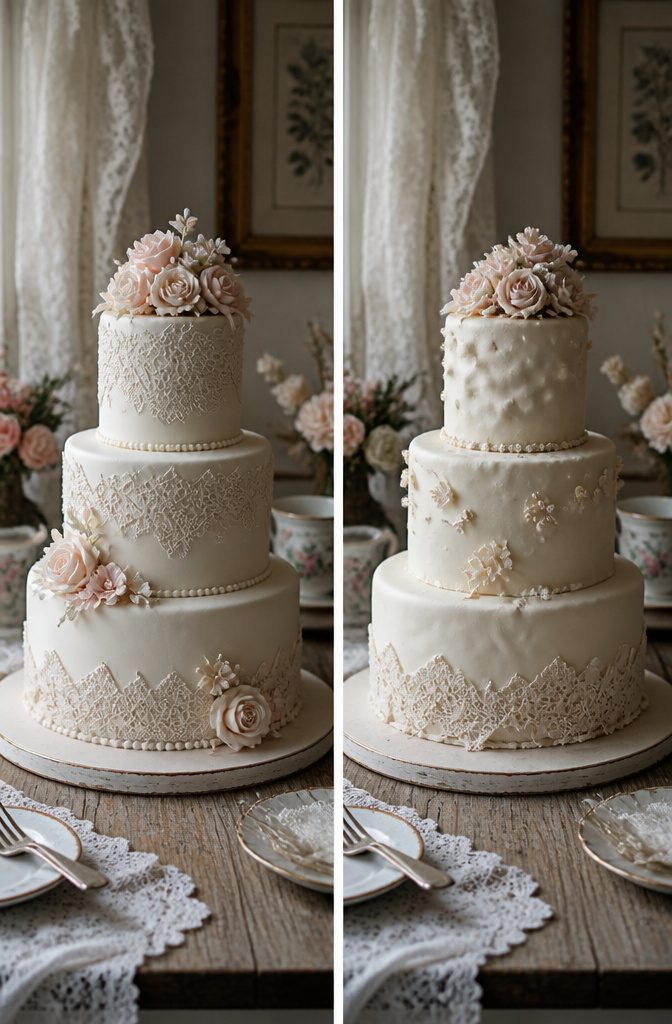
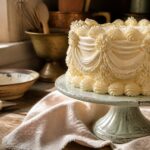
A Victorian Lace Cake reproduces the era’s needlework in fondant lace patterns piped or pressed to mimic actual textiles.
The effect reads as antique without requiring a baker to source period ingredients or techniques. I would choose this style for a formal reception where the cake needs to feel dressed up but not theatrical.
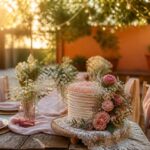
The Victorian Garden cake takes a different route, piling tiers with sugar flowers, roses to cascading vines, in pastels that echo 19th-century garden romance.
Both designs borrow the visual vocabulary of the era while relying on modern fondant work and food-safe dyes rather than the original sugar paste or marzipan methods.
What strikes me is how little the bride actually sacrifices.
Vintage-inspired details, lace, hand-piped bows, dainty sugar flowers, are appearing in force at contemporary weddings, and the baker can execute them with standard grocery-store fondant and a steady hand. The nostalgia is real; the logistical headache is not.
Royal Cakes Beyond Victoria
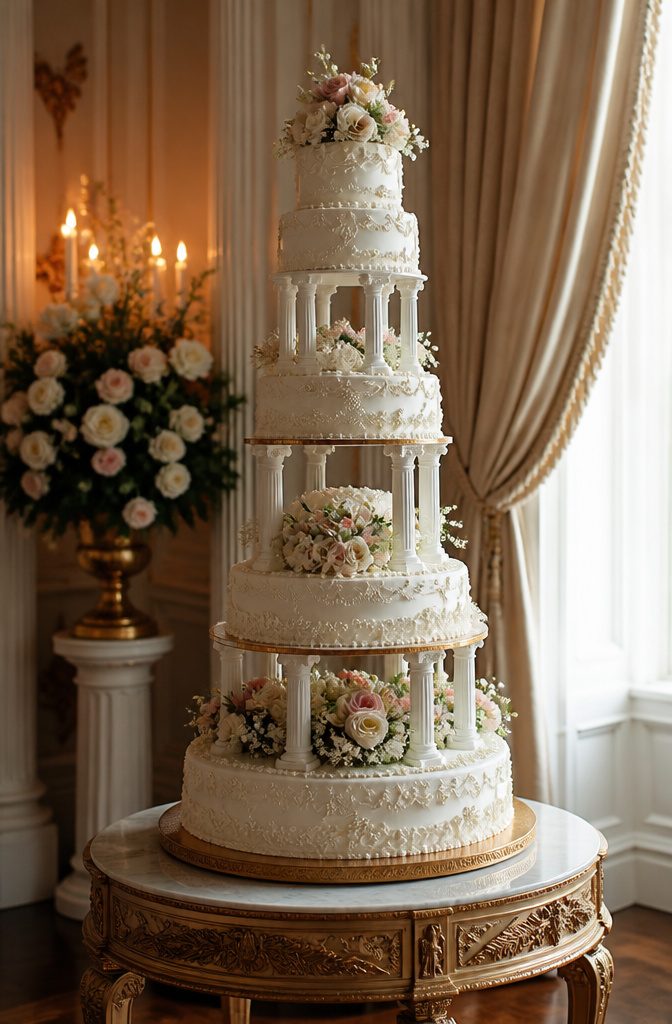
Princess Victoria’s 1858 wedding cake pushed her mother’s format in a new direction by adding the first columns ever used on a wedding cake, a structural choice that turned the tiered stack into something closer to architecture.
The columns raised the upper tiers and created visual space between layers, a technique that would become standard in elaborate cakes for decades.
Queen Wilhelmina of the Netherlands and Prince Henry’s cake on February 7, 1901, kept the tiered structure but swapped royal symbolism for a flower vase overflowing above two tiers, trimmed with lace.
The effect was softer, more domestic, and less explicitly monarchical than the British template.
Princess Alexandra’s cake, made by Andrew Davidson in 1963, returned to regal statement-making with height and dense ornament on every layer.
Where Victoria’s original had set a weight and whiteness standard, Alexandra’s emphasized vertical presence and surface detail, a choice that asks more of the guest’s vantage point than of the knife.
Each of these cakes kept the tiered foundation Queen Victoria established but adjusted the emphasis: structure, decoration, or scale. The columns win for lasting influence; Wilhelmina’s vase for charm; Alexandra’s tower for sheer drama.
Regional Variations Across Britain and Beyond
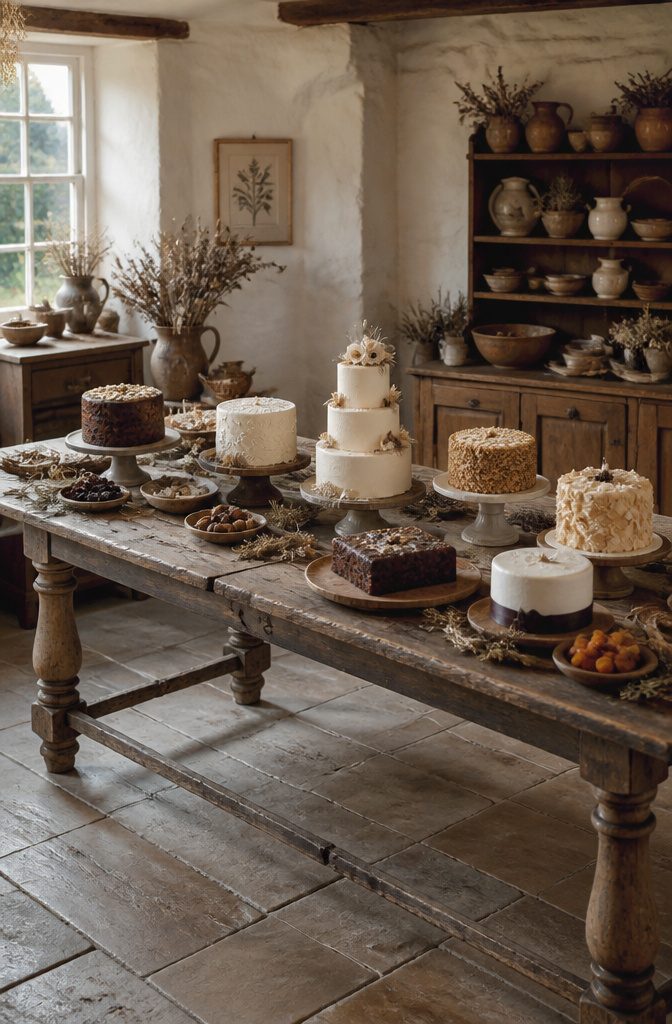
Queen Victoria’s 1840s cake, at 300 pounds and over a foot tall, set the template that spread through fashionable London circles, but that royal model was never the whole story.
Across Britain, local bakers worked with what grew nearby and what their customers could afford.
In some regions, the white sugar icing that signaled wealth in the capital simply cost too much, so cakes carried plainer finishes or relied on candied peel and dried currants for their decoration instead of sculpted sugar.
The fruitcake base itself varied: some recipes leaned heavier on citrus and spice, others on the currants that carried the main flavor.
Outside the cities, tiered cakes arrived slowly if at all. A single, dense fruitcake remained standard in many communities well past Victoria’s reign, sliced at the wedding breakfast much as the royal version was, but without the architectural height.
In the British Isles more broadly, the rock-hard decorative icing that city confectioners prized was often skipped entirely; it looked impressive but could not be eaten, and rural households preferred practical over pretty.
The lace-patterned fondant and sugar-flower gardens that modern bakers now label "Victorian" were largely elite inventions, not everyday traditions. What most families actually ate was closer to the 1769 style: moist, crumbly, flavored by dried fruit rather than ornament.
Trying Victorian Style With Modern Ingredients
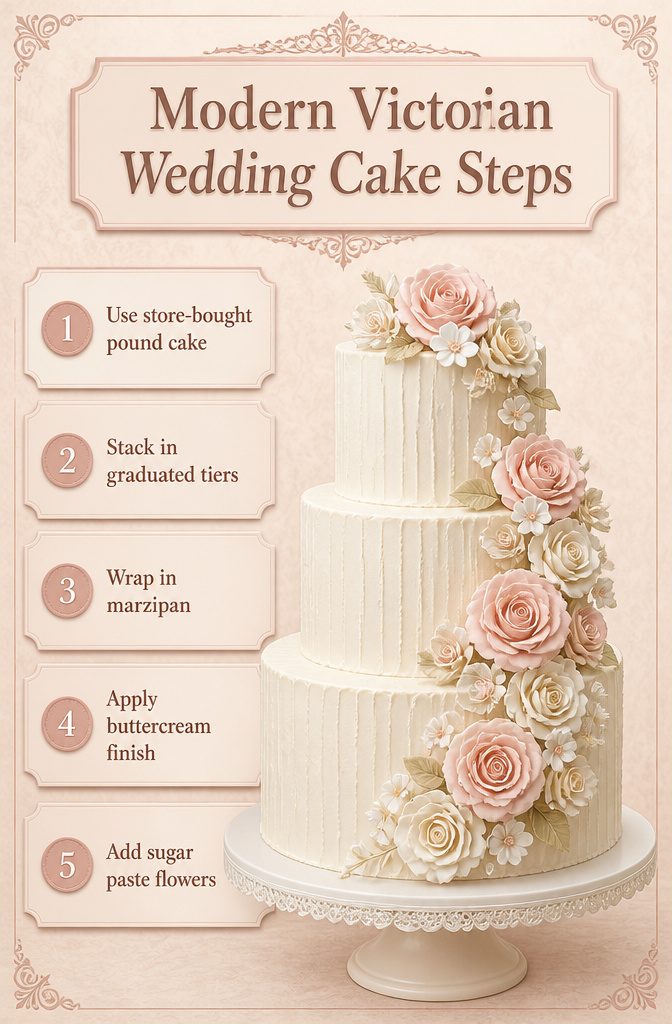
A dense fruitcake is not the only way to get the Victorian look. Store-bought pound cake, stacked in three graduated tiers and wrapped in marzipan, gives you the same white-on-white silhouette without the weeks of curing.
The marzipan layer is what matters; it smooths the surface so fondant or royal icing sits flat, just as it did on the original cakes.
I would skip the gum paste piping unless you already own a small round tip; a combed buttercream finish, dragged vertically with a bench scraper, reads as period-appropriate from ten feet away and takes one minute per tier.
The sugar paste flowers transfer directly, though I buy mine.
Hand-piping them requires a turntable and a steady hand most home cooks use once a year. Fresh roses, stems wrapped in floral tape and inserted after the cake is set, give a softer version of the same cascade.
One limit: real flowers stain buttercream after a few hours, so this works for a display cake or a same-day event, not for a Friday setup with a Sunday reception.
Frequently Asked Questions
What were Victorian wedding cakes made of?
Victorian wedding cakes were almost always fruitcake, built from dried fruits, warm spices, and candied peel with currants carrying the main flavor.
The base was dense and moist, designed to keep for months, while the white icing on top was made from refined sugar and dried rock-hard as edible architecture rather than something guests actually ate.
Citrus and spice played supporting roles strong enough to notice but not so loud the cake read as Christmas.
How did Queen Victoria influence wedding cakes?
Queen Victoria’s 1840 wedding cake to Prince Albert weighed 300 pounds, stood 14 inches tall, and measured 10 feet around, establishing the template we still recognize today.
Her extravagantly iced white cake, multi-tiered and topped with sugar sculptures, made elaborate decoration and pure white icing the new standard overnight; before this, wedding cakes were typically simpler plum cakes with basic sugar icing.
The design she popularized has shaped wedding fashion for nearly two centuries.
What is the significance of the white icing on wedding cakes?
White icing signaled wealth because pure white sugar cost far more than the brown or unrefined alternatives most households used, so the brightness of the frosting announced both purity and money in a single glance.
After Queen Victoria’s wedding, the color gradually became tied to the bride’s own purity as well, a meaning that stuck even though the original function was pure display.
The icing itself was not meant to be eaten; it dried rock-hard and served as edible architecture.
What is a classic wedding cake?
A classic wedding cake follows the template Queen Victoria established in 1840: tiered, white, ornate, and central to the celebration.
The Victorian version specifically featured dark fruitcake beneath white frosting, with sugar sculptures and intricate piping turning the cake into architectural display rather than just dessert.
Modern classic wedding cakes keep the tiered white silhouette while often replacing the fruitcake base with lighter sponge or pound cake.
What kind of wedding cake did Kate Middleton have?
The royal cakes discussed are Queen Victoria’s 1840 cake, Princess Victoria’s 1858 columned cake, Queen Wilhelmina of the Netherlands’ 1901 cake, and Princess Alexandra’s 1963 cake.